Two Weeks in Nepal
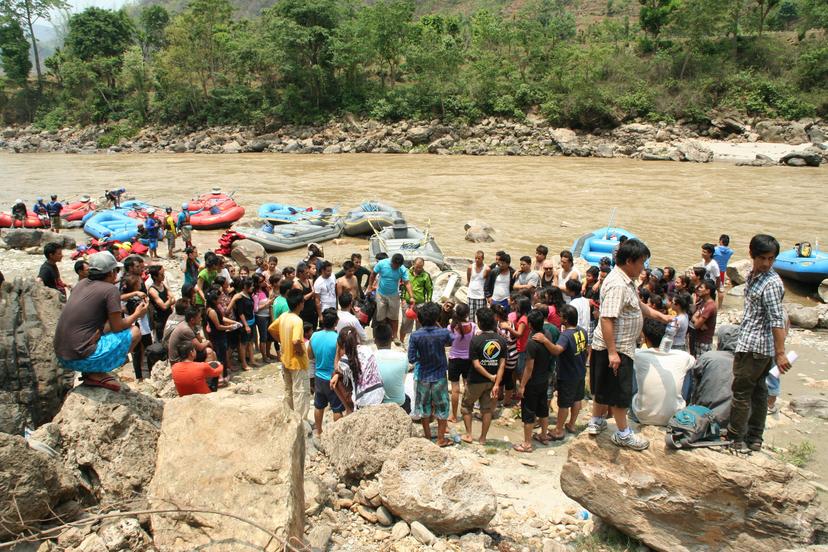
Two weeks round tour in Nepal: For those who have two weeks and want to visit historical and cultural places as well as see panoramic views, we design this itinerary. Asian Hiking Team’s two-week itinerary includes sightseeing in Kathmandu, Patan, Bhaktapur, Nagarkot, rafting in the Trishuli River, and visits to Gorkha, Bandipur, Pokhara, Lumbini, and Chitwan before returning to Kathmandu.
Two weeks round tour in Nepal: For those who have two weeks and want to visit historical and cultural places as well as see panoramic views, we design this itinerary. Asian Hiking Team’s two-week itinerary includes sightseeing in Kathmandu, Patan, Bhaktapur, Nagarkot, rafting in the Trishuli River, and visits to Gorkha, Bandipur, Pokhara, Lumbini, and Chitwan before returning to Kathmandu.
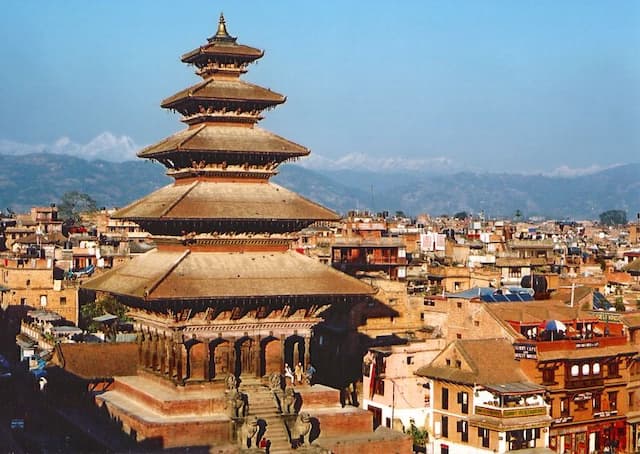
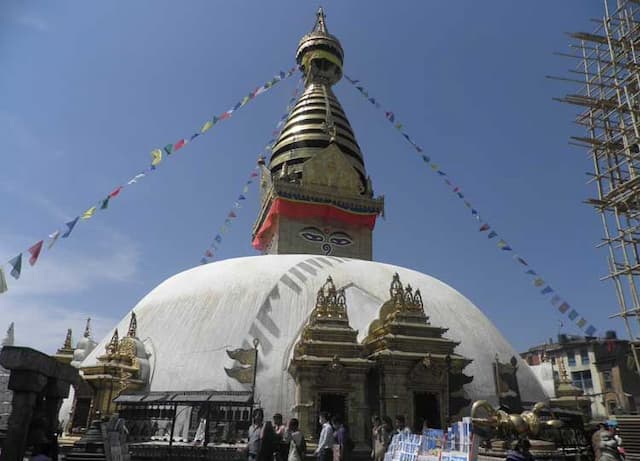
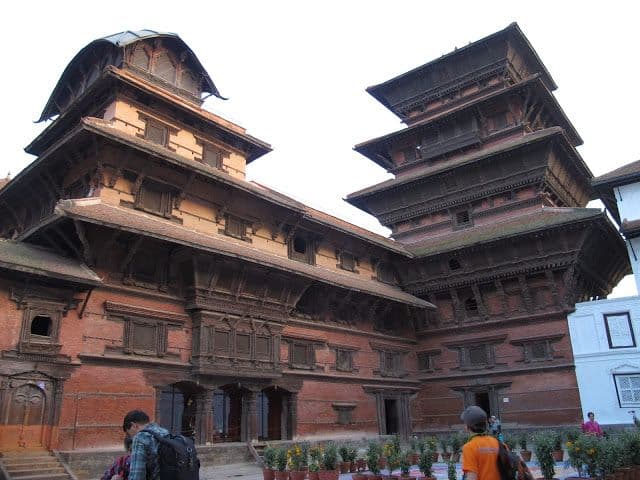
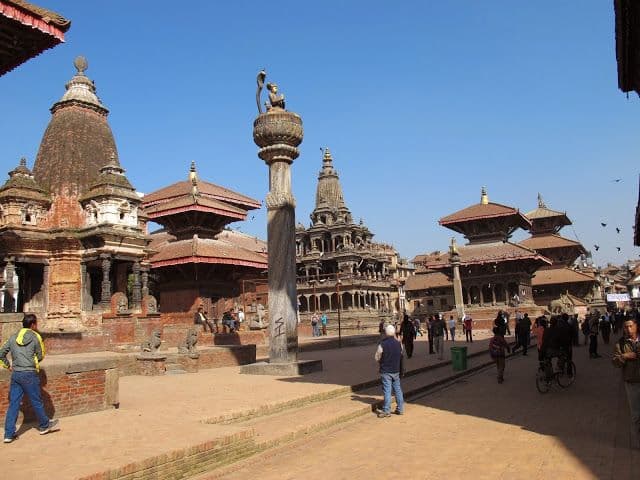
Kathmandu, being the historical and cultural heart of Nepal, is a popular destination for tourists, trekkers, and adventure seekers. The city presents a wonderful mixture of Hinduism, Tibetan Buddhism, and Western influence in the valley. After breakfast at the hotel, you will leave for a full-day sightseeing tour of the World Heritage Sites in the Kathmandu Valley with an English-speaking city tour guide and a private vehicle. You will be transferred to the pilgrimage site of the Hindu temple Pashupatinath, one of the most important shrines of Shiva. Thousands of devotees
Trip Facts
Group Size
Min 1
Location
Kathmandu-Nagarkot- Lumbini -Pokhara-chitwan- Kathmandu
Grade
moderate
Maximum Elevation
900m
Best Season
whole year
Accommodation
Hotel/Lodge
Transportation
Tourist Bus/Jeep (flight on option)
Kathmandu, being the historical and cultural heart of Nepal, is a popular destination for tourists, trekkers, and adventure seekers.
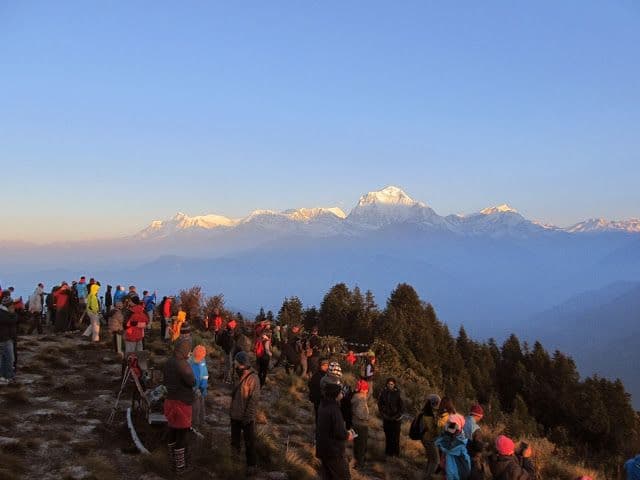
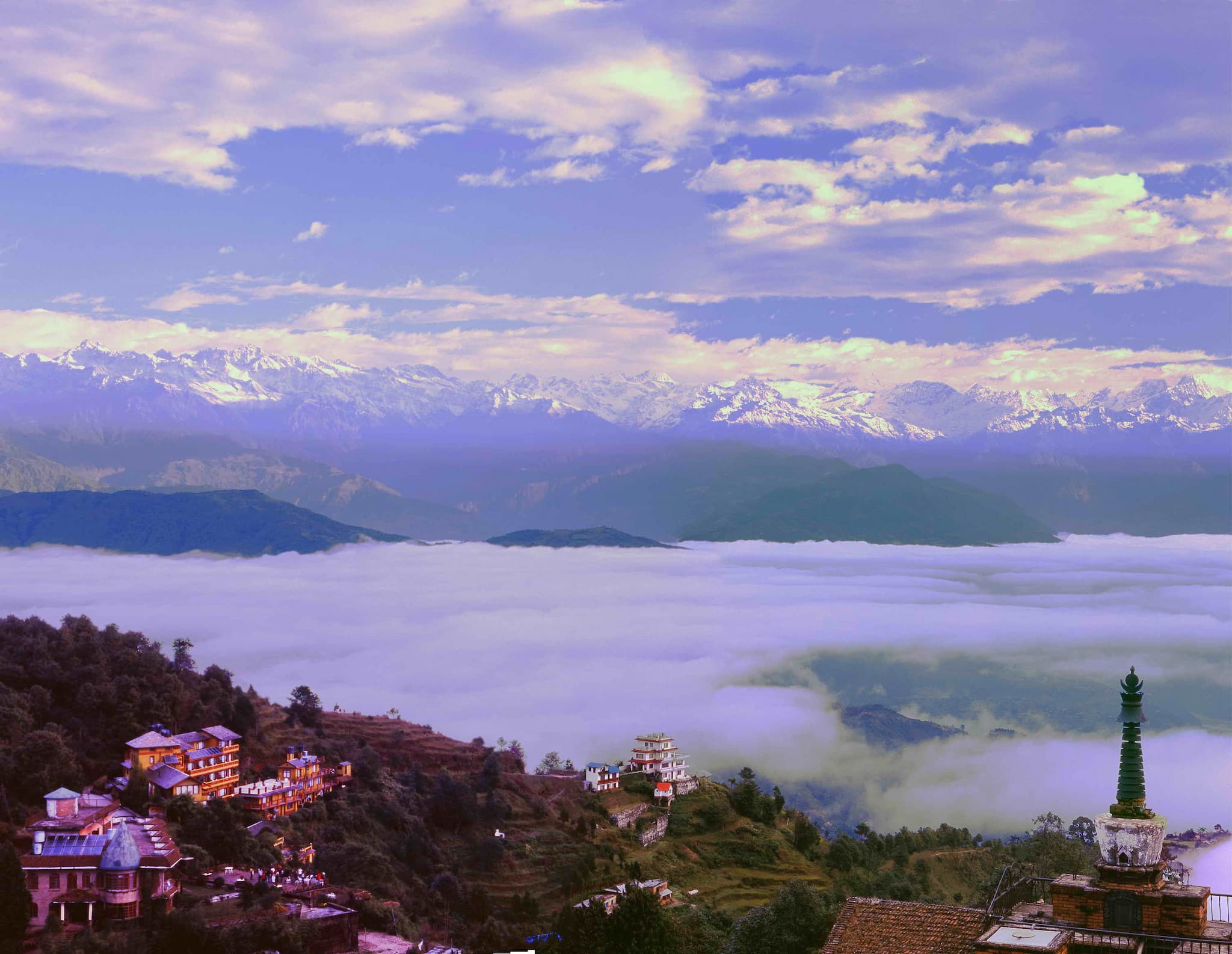
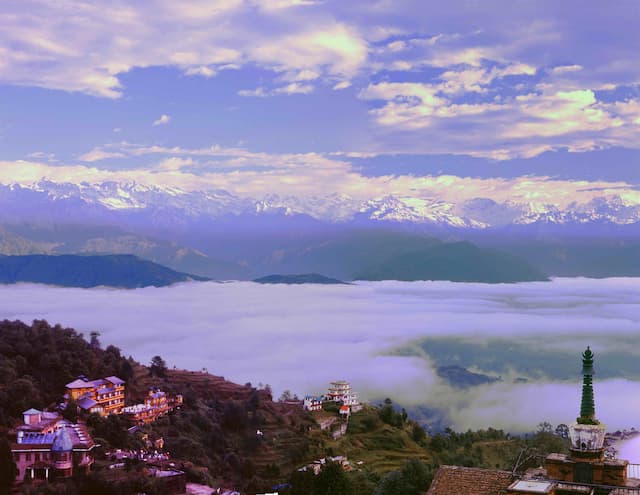
Nagarkot is a famous place to see mountain ranges and sunrise. It lies at an altitude of 2,175 meters and is located 32 km east of Kathmandu.
Gorkha is located 141 km west of Kathmandu and is the birthplace of King Prithvi Narayan Shah, the founder of modern Nepal.
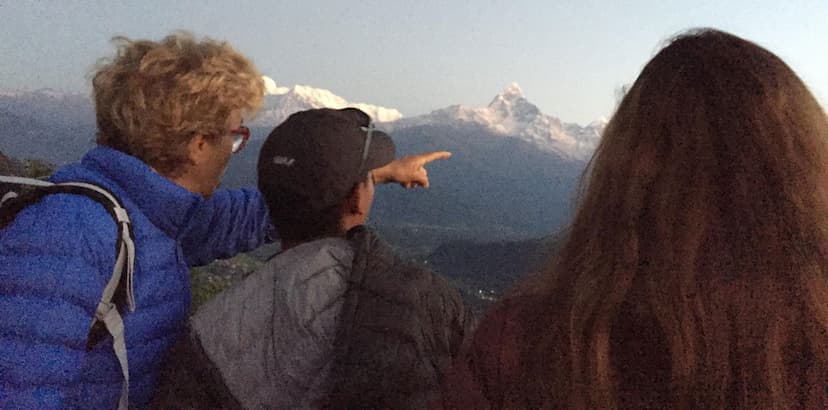
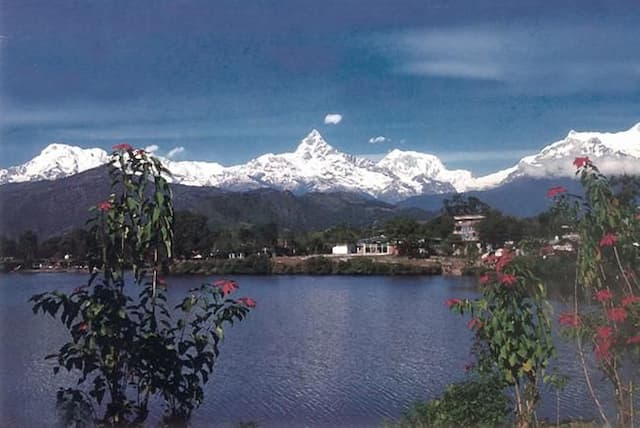
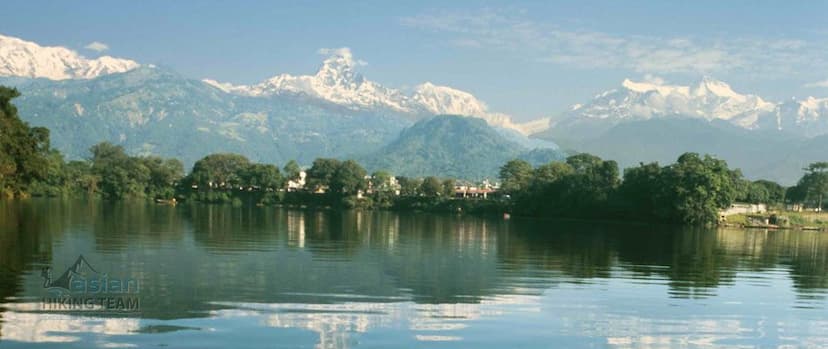
The region features long ranges of world-famous snow-clad peaks, emerald lakes, turbulent rivers with deep gorges, and picturesque villages. Pokhara offers magnificent views of Dhaulagiri, Manaslu, Machhapuchhare, the five peaks of the Annapurna Himalayas, and more.
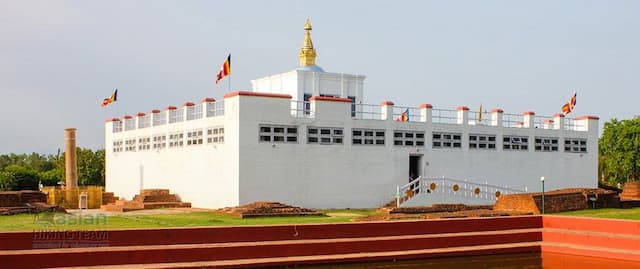
Lumbini is the birthplace of Lord Buddha, the apostle of peace and compassion. It is located 21 km west of Bhairahawa and 285 km southwest of Kathmandu.
The park includes hilly areas covered by deciduous Sal forest, and one-fifth of the park is made up of the floodplains of the Narayani and Rapti rivers. Chitwan National Park is also a UNESCO World Heritage Site.
- Pick up / Drop Airport.
- All land transport as itinerary by sharing tourist bus.
- Accommodation: Hotel in Kathmandu with breakfast as itinerary (here are so many options, Asian Hiking Team provide on cost 2-3-star hotel if you want higher star please add on option cost.
- Accommodation during the tour: Single/Twin-sharing room as itinerary. Asian Hiking Team provide on cost 2-3 star hotel. If you want higher star please add on option cost.
- Meals: All breakfast are includes on the cost with hot drinks Tea/Coffee (black, milk tea, or ginger lemon honey tea) etc.
- Entrance fees: Temple, Monastery, Durbar Square, Museum etc
- Chitwan National Park permit.
- Rafting permit.
- Tour guide.
- Rafting guide.
- Jungle safari Guide.
- Tour Map /Itinerary: Asian Hiking Team provides free a copy of tour map /Tour Itinerary to our client.
- T-short: Asian Hiking Team provide the company T-short for a souvenir.
- Certificate: Asian Hiking Team provide tour success certificate for your memory and awardees.
- Rafting all gears.
- Chitwan Jungle safari activities.
- Asian Hiking Team staff carry the basic first aid. You need to bring your own personal medicine with you.
- Accommodation: If you stay an additional day, you need to pay an extra cost or hotel/lodge.
- Meals: Lunch, dinner and bar bills/drinks, personal dry meals.
- Personal tour gears & clothing (some of the equipment is possible to rent in Kathmandu): please check in check list for equipment list
- Internet / Wi-Fi/Telephone: There are almost all tour area are internet/ Wi-Fi service. It is also possible to buy the NCAL or NTC Sim card for telephone or use data.
- Insurance: Medical evacuation in case of emergency, expenses incurred due to mishaps, landslide, strikes, political unrest etc. in such case extra will be charged as per actual.
- Domestic flight.
- The tips for tour guide or hotel: It's a way to show appreciation for good service and is often left as a small present or in addition. Tips are a common practice in many cultures and are often expected for services. It is not fix amount, so you can own decide. If you wish to donate to charities or schools.
- Donation to the local community or social welfare (not compulsory and not fix amount).
- If you are looking your own language tour guide, yes it is possible, but you need to pay extra so add on option cost.
| Date | Duration | Status | Booked | Action |
|---|---|---|---|---|
Oct 29, 2026 Nov 11, 2026 | 14 days | Open | Book Now | |
Sep 23, 2026 Oct 6, 2026 | 14 days | Open | Book Now | |
Oct 27, 2026 Nov 9, 2026 | 14 days | Open | Book Now | |
Nov 9, 2026 Nov 22, 2026 | 14 days | Open | Book Now | |
Dec 3, 2026 Dec 16, 2026 | 14 days | Open | 5 | Book Now |
Jan 6, 2027 Jan 19, 2027 | 14 days | Open | Book Now | |
Feb 11, 2027 Feb 24, 2027 | 14 days | Open | Book Now | |
Mar 21, 2027 Apr 3, 2027 | 14 days | Open | Book Now | |
May 26, 2027 Jun 8, 2027 | 14 days | Open | Book Now | |
Jun 14, 2027 Jun 27, 2027 | 14 days | Open | Book Now | |
Jul 30, 2027 Aug 12, 2027 | 14 days | Open | Book Now |
Tailored add-ons in Nepal trips refer to customizable essentials that enhance and personalize your travel experience.
Options include:
- Customized Accommodations: Upgrade from standard lodging to luxury hotels or homestays.
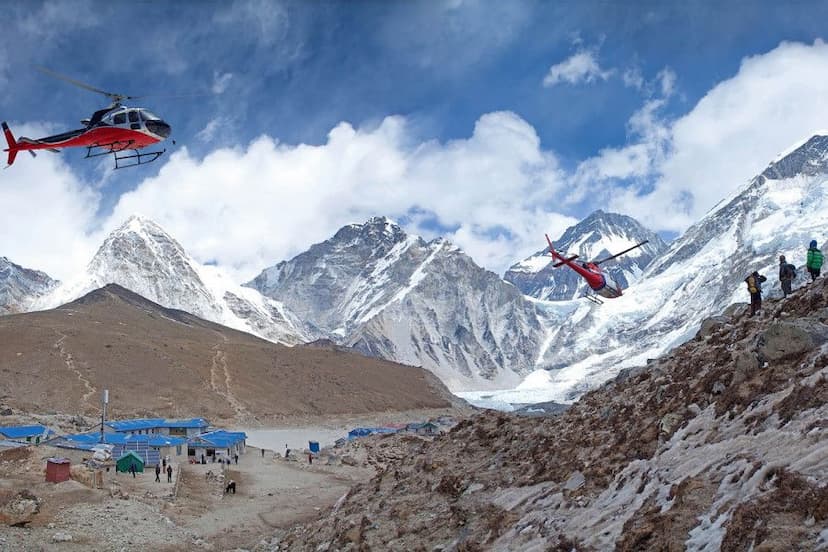
- Helicopter/MT Flights: Opt for helicopter transport to your own destination, helicopter flight/ Mountain flight.
- Adventure Activities: Add paragliding, bungee jumping, or Mt flight.
- Cultural & Spiritual Journeys: Include visits to Muktinath, tours or local festivals.
- Flexible Scheduling: Adjust dates and durations to fit your needs.
Hotel in Kathmandu and Pokhara, Lumbini, Ngarkot, Gorkha, Bandipur: hotels range from luxurious heritage properties to budget-friendly guesthouses, catering to a diverse array of travelers.
During the tour: Single/Twin-sharing room with wooden beds, foam mattresses, and blankets. Most of the place have attached toilets (usually). Some of the place has common (shared) toiled. Hot showers available.
Meals: During the hotel/guest house, there are international menus so you can choose whatever you like.
Nepal’s rugged terrain and remote mountain regions require a combination of transportation modes to ensure safe, efficient, and scenic travel.
Asian Hiking Team offers a range of transportation options to suit your needs and itinerary, including air-conditioned and non-air-conditioned vehicles, tourist luxury buses, cars, vans, and jeeps.
We also arrange domestic flight tickets for major trekking routes to help you save time and enjoy spectacular aerial views of Nepal's diverse landscapes.
Kathmandu to Nagarkot
It is daily local bus or private transport to/from Nagarkot. It takes 1.30 hours drive. It is daily local bus from Ratnapark to Sankhu. Takes 4( minutes.
Kathmandu to Pokhara 200km
There are possible by tourist bus, local bus, Micro bus private car/Jeep. Everyday the starting time at 6am to 2pm for local bus but the tourist bus start at 7am. The time takes 6-7 hours drive. There are daily flight to Kathmandu airport.
Pokhara to Lumbini...
General Climate Overview
Nepal's climate is incredibly diverse due to its dramatic range in altitude—from the lowland Terai plains (around 60 meters above sea level) to the Himalayan peaks above 8,000 meters. The country experiences five main seasons: spring, summer, monsoon, autumn, and winter.
Terai Region (Southern Plains)
Climate: Subtropical Summer (May–June): Hot and humid, temperatures often exceed 37°C Winter (Dec–Feb): Mild, temperatures range between 7°C to 23°C Receives significant rainfall during the monsoon (June–September)
Hilly Region (Mid-Hills & Valleys)
Climate: Mild and temperate Cities like Kathmandu and Pokhara experience:
Summer: 19°C – 35°C Winter: 2°C – 12°C Pleasant weather year-round with occasional winter chills and summer showers
Mountain Region (High Himalayas)
Climate: Alpine to Arctic Summer: Cool to cold, depending on altitude Winter: Severe cold with frequent snowfall Temperatures can drop below -20°C at high passes and base camps Monsoon rains are lighter, but weather remains unpredictable
Nepal experiences four distinct seasons, each offering different trekking experiences:
Autumn (September–November) Best trekking season Clear skies, excellent mountain views. Warm days, cold nights...
Asian Hiking Team’s tour/trekking Guides are professionals with recognized records of honesty and personal integrity, committed to environmentally responsible trekking practices that minimize ecological impact.
Asian Hiking Team trekking guide duties are to navigate trails, ensure safety, explain local culture/history, arrange permits/accommodations, monitor altitude sickness, and manage logistics. Our guide is fluency in English (and other languages), first aid certification, cultural knowledge, and government licensing. Require Nepal Government licensing, formal training (e.g., Nepal Academy of Tourism/NATHM), first aid certification, and language proficiency. Our guide is friendly, professional, and well-mannered. Trained in customer service, problem-solving, and group handling.
They have several years of experience in the field, especially in cultural, religion, heritage, and adventure tours. Skilled in storytelling, sharing legends, myths, and spiritual meanings behind temples, mountains, and rituals.
Credit card and foreign currency Credit cards like American Express, Master and Visa are accepted at major hotels, shops, Travel Company and restaurants. 3.5 to 4 percent of the total amount may be converted by the bank. ATMs are widely in use such as Kathmandu, Pokhara, Chitwan-Sauraha, Bhairahawa, Namche, Lukla, Jomsom, Nepaljung, Biratnagar, Lumbini and other major cities and district head office.
All major cities or touristic place have money changer or Exchanger counter or Bank exchange counter.
We are committed to responsible tourism. Our policies include:
- Environmental: Minimizing waste, using gas for cooking, and leaving no trace.
- Cultural: Respecting local customs, asking permission for photos, and supporting local economies.
- Community: Donating a portion of profits to community projects and ensuring fair treatment and wages for all staff and porters.
For More details, please check the Responsible tourism page.
Comprehensive travel insurance is mandatory for this expedition. Your policy must cover:
- Emergency Air Ambulance/Helicopter Rescue
- Medical Expenses
- Trip Cancellation and Interruption
You must provide proof of insurance before the trip begins. For the insurance company details please check our insurance recommended company in travel insurance page.
Daypack or backpack : A comfortable daypack or a larger backpack/suitcase for all your gear.
Comfortable walking shoes : Shoes suitable for walking and light hiking.
Light/warm jacket or sweater : A light or warm jacket/sweater, depending on the season.
Some pair of T-shirts and Shirts/hiking Paint : Several pairs of T-shirts and shirts for daily wear.
Bathing clothes : Appropriate clothing for swimming or bathing.
Sun hat or cap : Protection from the sun for your head.
Lightweight scarf or shawl : A lightweight scarf or shawl, especially useful for temple visits.
Sunglasses with UV protection : Sunglasses with UV protection to shield your eyes.
Neutral-colored clothing : Clothing in neutral colors (avoid red/bright) if you plan to do a jungle safari trip.
Comfortable sandals : Comfortable sandals for relaxing or short walks.
Sunscreen and lip balm : Sunscreen and lip balm for skin protection.
Water bottle : A reusable water bottle to stay hydrated.
Travel umbrella or raincoat : A travel umbrella or raincoat if traveling during the monsoon season.
Power bank and adapters : Power bank and adapters (Nepal uses 230V, Type C/D/M plugs).
Travel documents : Essential travel documents: passport, permits, insurance, visa/master card, etc.
Personal medications and first aid kit : Your personal medications and a basic first aid kit.
Camera or phone with charger : A camera or phone with its charger to capture memories.
Small notebook and pen : A small notebook and pen for notes or journaling.
Hand sanitizer and face mask : Hand sanitizer and a face mask for hygiene.
Torchlight or headlamp : A torchlight or headlamp, especially if traveling outside Kathmandu and Pokhara.


 0
0