Nepal Peak Climbing Guide, Best Peaks for Beginners and Experienced Climbers
 byBy Suman Neupane
A peak is the highest or sharpest point, such as a mountain summit, the maximum value of something, or the highest point of a career or activity. Peak climbing in Nepal involves ascending Himalayan summits generally ranging from 5,500 to 6,500 meters in elevation. It bridges the gap between high-altitude trekking and technical mountaineering.
Famous beginner-friendly choices include Island Peak, Mera Peak, Pokalde Peak, Yala Peak, Tent peak, Khongde peak which require basic gear like crampons and ice axes rather than expert climbing skills. For experienced climbers, some peaks are technical, meaning they require years of rock or ice climbing experience. However, solid cardiovascular fitness and stamina are also essential.
Types of Climbing Peaks
- Trekking Peaks (NMA): shorter Mountains mostly under 6500 meters regulated by the Nepal Mountaineering Association. They require physical stamina and elementary rope work but no extreme technical background.
- Expedition/Technical Peaks: Massive or highly vertical mountains (like Ama Dablam or 8,000-meter giants) demanding professional mountaineering background, specialized equipment, and wide-ranging logistical support.
Peak Climbing for Beginners
Beginner peaks are semi-technical or non-technical, meaning you do not need years of rock or ice climbing background, but solid cardiovascular fitness and stamina are essential.
- Mera Peak (6,476m): Extensively considered the highest straightforward "walk-up" Highest trekking peak trekking peak, involving long snow slopes with minimal technical sections. Though non-technical, the ascent demands proper acclimatization due to the altitude.
- Island Peak / Imja Tse (6,189m): Extremely popular first 6,000m peak in the Everest region; it starts as a trek and finishes with a short steep snow/ice headwall where guides fix ropes and teach you to use a Jumar ascender.
- Yala Peak (5,732m): Short, non-technical, and very accessible from Kathmandu with no crampon-heavy walls. Yala peak is in Langtang valley and not require climbing permit.
- Pokalde Peak (5,806m): Short rocky scramble in the Everest region, though the final ridge has a steep section. The ascent requires proper acclimatization due to the high altitude.
Peak Climbing for Experienced Climbers
For experienced climbers seeking technical challenges beyond basic trekking peaks, Nepal offers magnificent 6,500m to 7,000m peaks like Chulu East, Kyazori Peak, Kushumkhanguru, Thamserko peak, Ama Dablam, Pumori peak, and Baruntse. These routes demand advanced alpine skills, steep ice and rock climbing proficiency, glacier navigation, and rigorous high-altitude endurance
- Chulu East/West (6,419m): Located in the Manang district and part of the Damodar Himal, it offers a challenging high-altitude alpine climb with views of Annapurna, Dhaulagiri, and Manaslu, offers steep snow and ice slopes, narrow ridges, and demanding technical sections.
- Kyajori or Kyazo Ri Peak (6186m): On the way to Everest region, it offers a technical semi-alpine peak need experienced.
- Kusumkhanguru peak (6367m): Kusum Kanguru is a mountain in the Khumbu region of the Himalayas in Nepal. Its name, Kusum Kanguru, means “Three Snow-White Gods” in the Sherpa language, referring to the mountain’s triple summit. Highly technical rock, snow, and ice climb. Regarded as one of the most difficult and dangerous trekking peaks in Nepal.
- Singu Chuli Peak 6501m: Singu Chuli is a 6,501-meter (21,329-foot) mountain peak in Nepal’s Annapurna Himalayas. Considered a technical climbing peak rather than a simple walk-up. Requires skill with alpine ice and rock climbing gear.
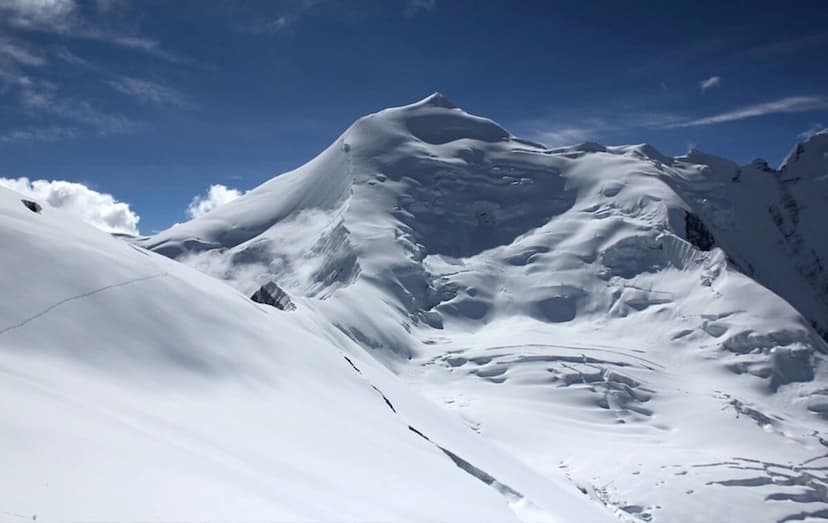
- Major Expeditions (7,000m+ & 8,000m+): Peaks like Pumori, Baruntse, Ama Dablam, Thamserko peak or Himlung Himal, Ratna Chuli, Api Himal, Manaslu, Dhaulagiri, Makalu, Kanchenjunga Dorje Lakpa, Langtang Lirung, Ganesh Himal etc demand advanced technical proficiency, multi-camp logistics, and extensive high-altitude mountaineering records.
Key Requirements
- Permits: Mandatory permits are required from the Nepal Mountaineering Association (NMA), local municipalities, and national parks or conservation areas. For NMA peaks, the climbing permit for two peaks, Singu Chuli and Chulu East, costs US$500 per person in the spring season and US$250 in other seasons. For all other NMA peaks, the permit costs US$350 per person in spring and US$175 in other seasons. Expedition permits range from US$175 to US$15,000 per person, depending on the mountain and the climbing season.
- Licensed Guide: Government-licensed climbing guides are mandatory for all NMA trekking peaks and expeditions. A Nepal peak climbing guide is an informational resource or professional service that provides guidance on climbing lower-tier Himalayan Mountains, usually ranging from 5,500 to 6,500 meters in elevation. It covers route logistics, physical training, essential equipment, required training through the Nepal Mountaineering Association, and the importance of hiring experienced, and certified local guides. Climbers should also be familiar with rock, ice, and snow climbing techniques; high-altitude camp logistics, setup, and operations; advanced safety protocols for high-altitude camping; fixed-rope climbing; belay techniques; and the proper use of mountaineering equipment.
- Insurance: High-altitude medical and search-and-rescue insurance coverage is compulsory.
- Garbage Deposit: All peaks require a refundable waste-management deposit handled through your organizing agency.
- Application Process: Permits cannot typically be obtained independently by individuals; they must be processed through a registered local trekking or expedition agency affiliated with the Nepal Mountaineering Association or Department of Tourism.
- Best Seasons: Spring (March to May) and autumn (September to November) offer the most stable weather and clear mountain views.
Types of Permits
- NMA Trekking Peak Permits: Issued by the Nepal Mountaineering Association for 27 smaller peaks generally ranging from 5,800m to 6,500m.
- Department of Tourism Expedition Permits: Issued by the Ministry of Culture, Tourism, and Civil Aviation for major peaks and major expeditions above 6,500m and 8,848m (such as Dhampus peak to Mt. Everest).
- Regional & Local Permits: Additional regional permits and fees may also be required, such as National Park entry permits, Conservation Area entry permits, local rural municipality fees, and restricted-area permits, depending on your specific mountain route.