How to Climb Island Peak from Chhukung
 byBy Suman Neupane
Island Peak (6,189m), also known as Imja Tse, is one of Nepal's most widespread trekking peaks. Located in the heart of the Everest region, it offers an exciting introduction to Himalayan mountaineering. Although it is considered a trekking peak, Island Peak requires basic climbing skills, good physical fitness, and proper acclimatization.
Many trekkers who are already trekking in the Everest region select to organize the climb from Chhukung (4,730m). This is the most suitable option if you have already completed the Everest Base Camp or Three Passes Trek and want to add a Himalayan summit to your venture.
Suggests Climbing Itinerary (Chhukung to Chhukung)
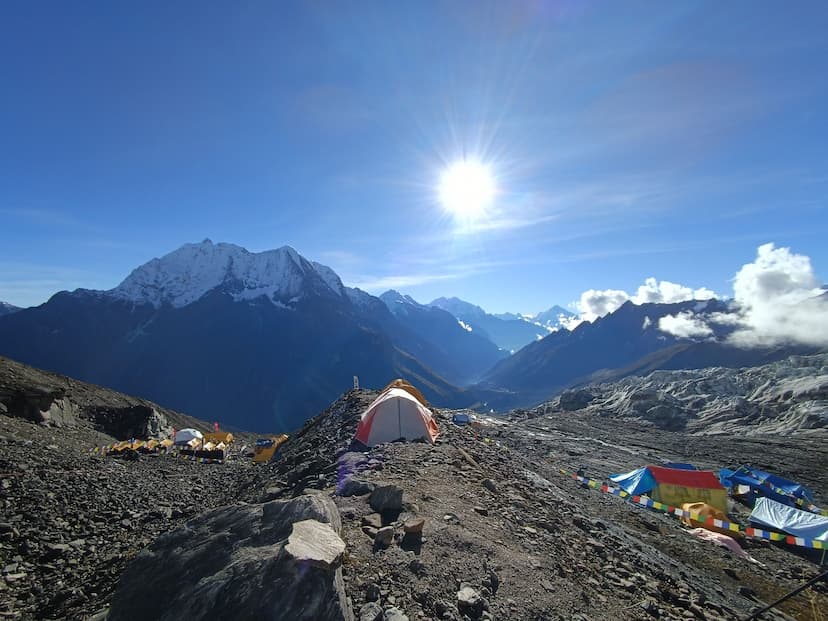
Day 1: Chhukung (4,730m) to Island Peak Base Camp (5,100m) Walking Time: 3–4 hours Elevation Gain: 370m
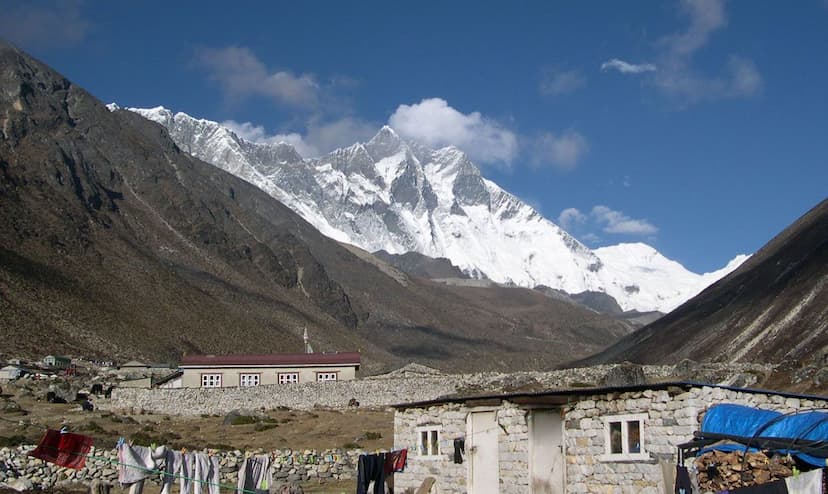
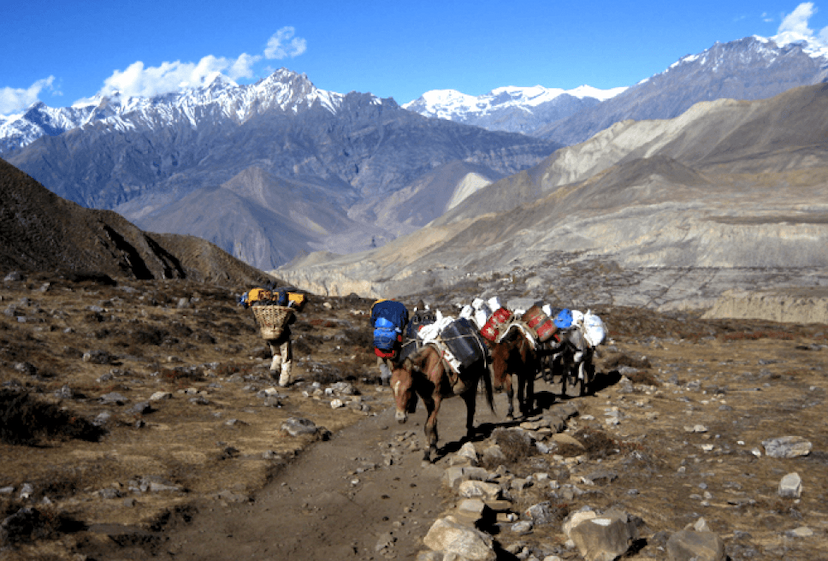
The journey begins with a gradual hike across alpine meadows and rocky trails toward Island Peak Base Camp. The route follows the Imja Valley with spectacular views of Lhotse, Nuptse, Ama Dablam, Baruntse, and surrounding Himalayan giants.
Upon arrival at Base Camp, our experienced climbing guides provide a comprehensive climbing training session. You will learn how to use:
- Mountaineering boots
- Crampons
- Ice axe
- Climbing harness
- Ascender (Jumar)
- Descender
- Safety rope techniques This training greatly improves confidence and increases the chances of a successful summit. Overnight: Tent Camp at Island Peak Base Camp.
Day 2: Summit Island Peak (6,189m) and Return to Chhukung Walking Time: 10–14 hours Summit Elevation: 6,189m The summit day begins very early, usually around 1:00–2:00 AM.
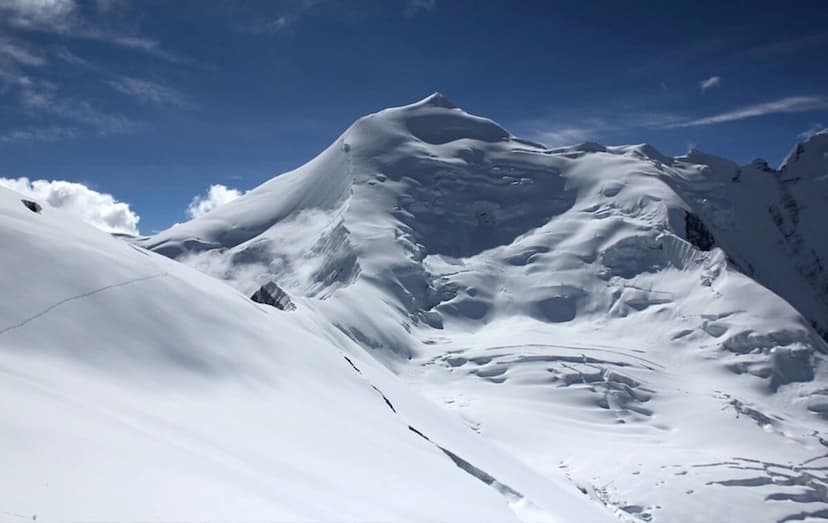
The climb starts over rocky terrain before reaching the glacier where climbers put on crampons and rope up. The glacier contains crevasses, requiring fixed ropes in several sections. The final challenge is a steep snow slope of approximately 40–45 degrees leading to the summit ridge.
From the summit, climbers enjoy breathtaking panoramic views of:
- Lhotse (8,516m)
- Makalu (8,485m)
- Ama Dablam (6,812m)
- Baruntse (7,129m)
- Nuptse (7,861m)
- Numerous Everest-region peaks
After celebrating the summit, climbers descend safely to Base Camp for a short rest before continuing back to Chhukung. Congratulations on reaching one of Nepal's most rewarding trekking peaks!
Suggested Equipment for Island Peak
- Clothing
- Down jacket
- Waterproof shell jacket and pants
- Thermal base layers
- Fleece jacket
- Trekking pants
- Warm summit gloves
- Thin liner gloves
- Warm hat and sun hat
- Buff or neck gaiter
- Footwear
- Insulated mountaineering boots
- Gaiters
- Thick trekking socks
- Camp shoes
- Climbing Equipment
- Climbing harness
- Helmet
- Crampons
- Ice axe
- Jumar (ascender)
- Descender (ATC or figure-8)
- Locking carabiners
- Safety sling
- Climbing rope (provided by the guide)
- Personal Equipment
- Headlamp with spare batteries
- Sunglasses (Category 4)
- Water bottles or hydration bladder
- Sunscreen (SPF 50+)
- Lip balm
- Personal first aid kit
- Sleeping bag (-20°C recommended)
Island Peak Success Rate
- Island Peak has an excellent success rate when climbers are properly acclimatized and guided by experienced local climbing guides.
- The average success rate is approximately 85–95%, depending on:
- Weather conditions
- Physical fitness
- Acclimatization
- Climbing experience
- Guide support
- Proper equipment
- Most summit failures occur due to poor weather, inadequate acclimatization, illness, or insufficient preparation rather than technical difficulty.
Why Organize Island Peak from Dingboche or Chhukung?
If you have already reached Dingboche or Chhukung during your Everest trek, organizing the climb locally offers several advantages:
- No need to book a full Kathmandu package.
- Flexible departure dates.
- Lower overall cost.
- Professional local Sherpa climbing guides.
- Climbing equipment rental available in Chhukung.
- Permit arrangements can be organized quickly by local agencies.
- This option is especially popular among independent trekkers who decide to climb Island Peak after arriving in the Khumbu region.