Upper Mustang Trekking
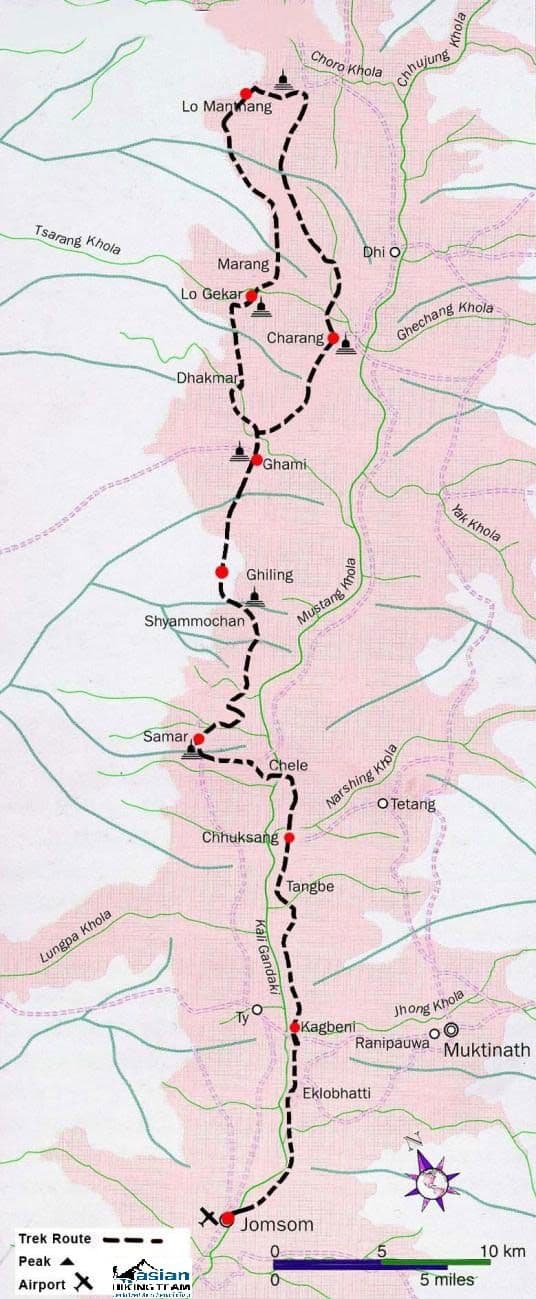
Mustang is a remote and isolated region of the Annapurna range, lying within the boundaries of historic Tibet and nestled in the Himalayas at an altitude of 13,000 feet. Upper Mustang lies north of Jomsom, in northwestern Nepal, and is deeply influenced by Tibetan culture.
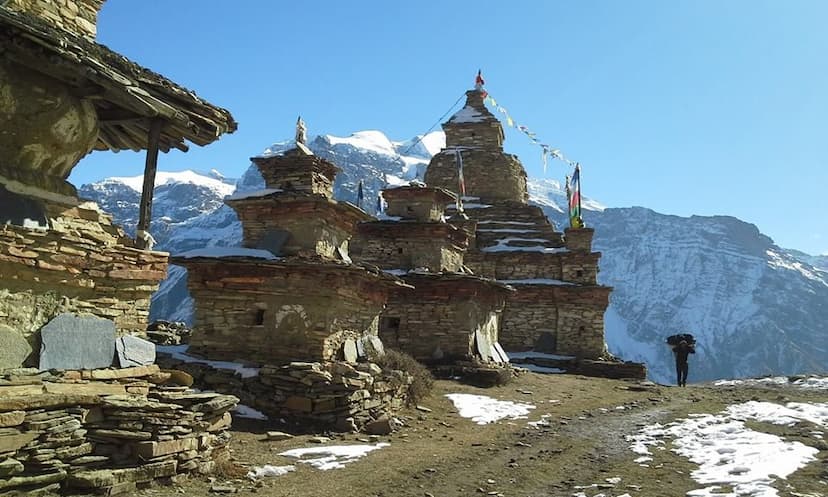
Mustang is a remote and isolated region of the Annapurna range, lying within the boundaries of historic Tibet and nestled in the Himalayas at an altitude of 13,000 feet. Upper Mustang lies north of Jomsom, in northwestern Nepal, and is deeply influenced by Tibetan culture. Mustang was annexed by Nepal in the 17th century, with Lo Manthang (3809 m) as its capital—an ancient walled city that was once part of Tibet in the 14th century. This Trans-Himalayan region remained untouched by the Chinese Cultural Revolution, preserving its medieval charm and centuries-old monasteries.
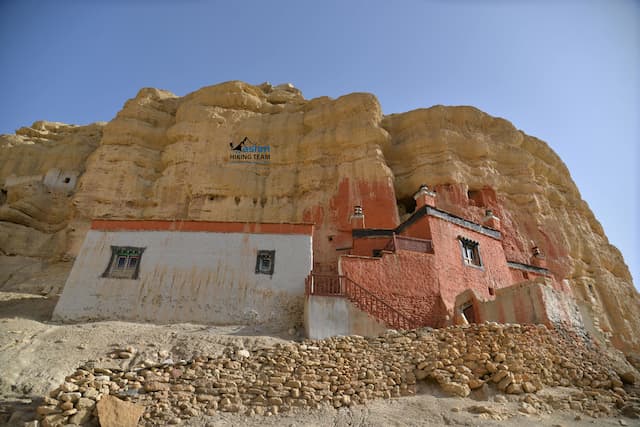
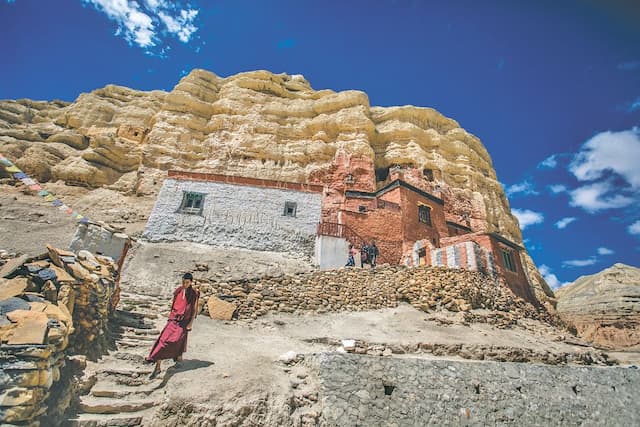
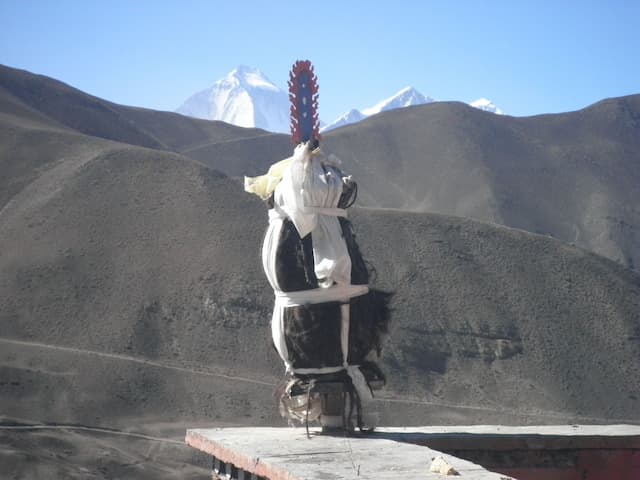
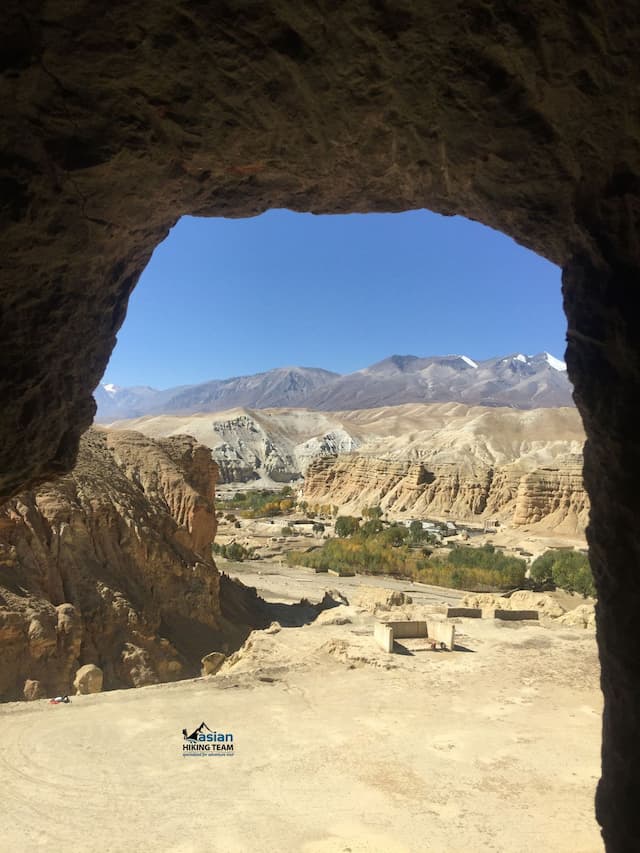
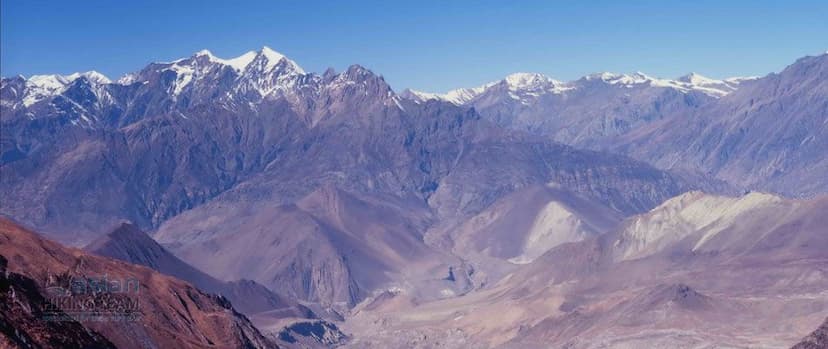
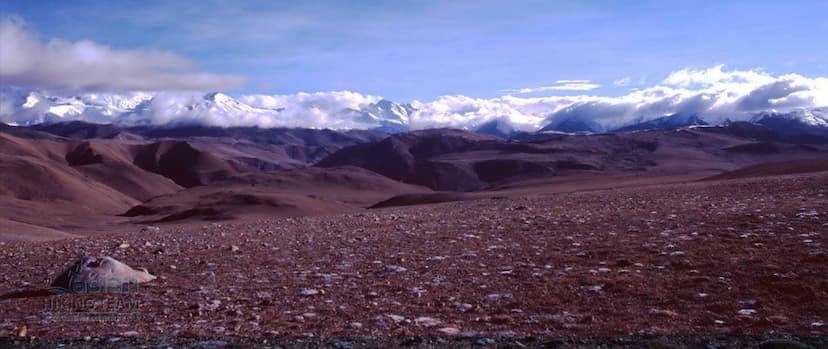
The vast, barren ridges stretching to the horizon evoke a sense of timelessness. Lo Manthang’s residents, of Tibetan origin, maintain a rich heritage of Buddhist art, monasteries perched on cliffs, Thanka paintings, Mandalas, and sacred caves. Mustang is a living testament to the Red Hat sect of Tibetan Buddhism and is home to the only surviving Tibetan monarchy.
Upper Mustang’s
Trip Facts
Group Size
20 persons
Maximum Elevation
4660m (Kora La Pass)
Location
Upper Mustang lies north of Jomsom, in northwestern Nepal
Route
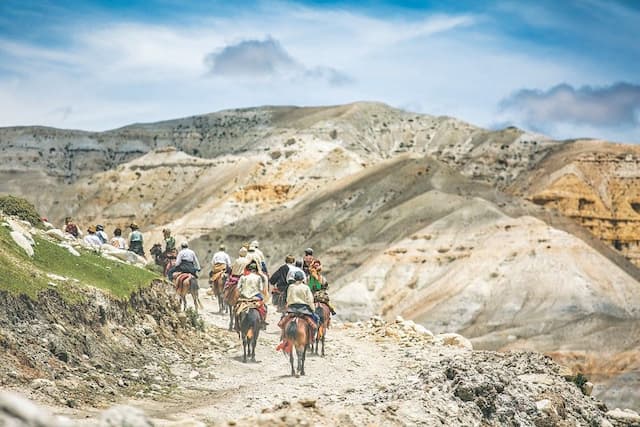
Ancient Trade Route between Nepal and Tibet via Kora La Pass (4,660 m).
Grade
Strenuous (Grade C)
Best Season
Spring (March–May), Monsoon (June to Agust) and autumn (September–November). Mustang is rain-shadow so monsoon is the best.
Accommodation
Guesthouse and basic hotel options available throughout the route.
Transportation
Kathmandu to Pokhara by tourist bus/flight, Pokhara to Jomsom flight, Kagbeni to Pokhara by bus/Jeep. Option to drive into Upper Mustang via Jeep.
Guided by certified, first-aid-trained guides and porters for safety and authentic insights.
Explore the ancient walled capital of Mustang, rich with history, Tibetan culture, and 14th-century monasteries.
Witness traditional Tibetan Buddhist art, cliff-hanging monasteries, Mandalas, Thanka paintings, and cave shrines.
Experience the famous Tiji Festival (Purification Ritual), rooted in ancient animistic and shamanic traditions.
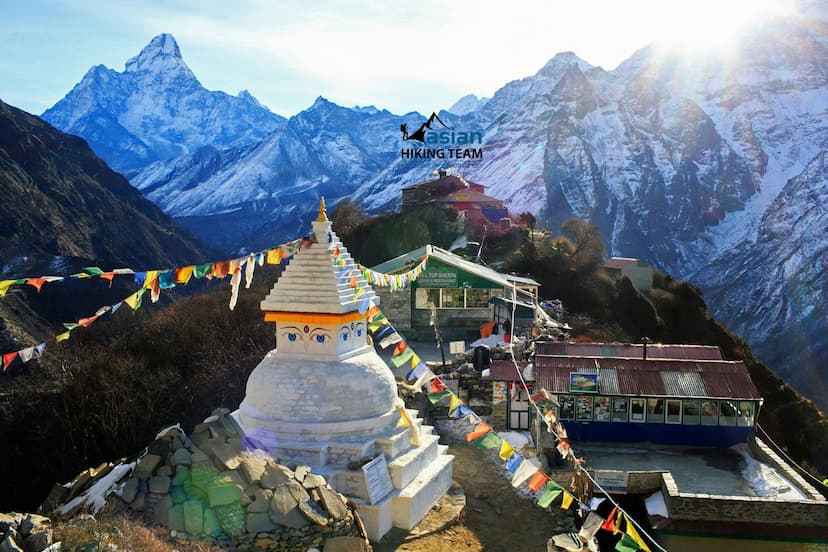
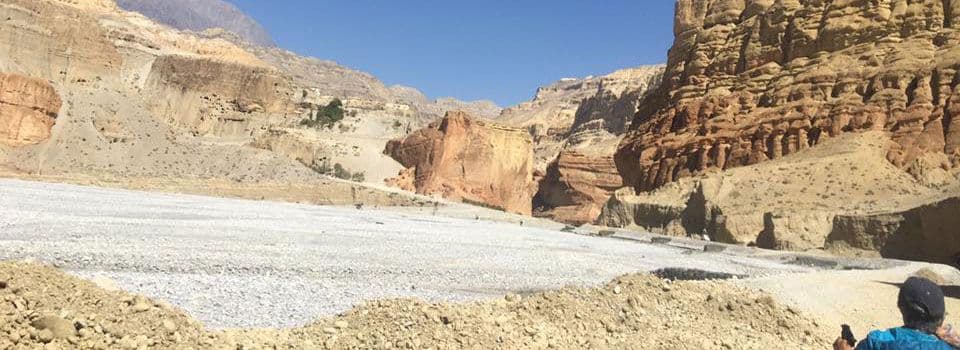
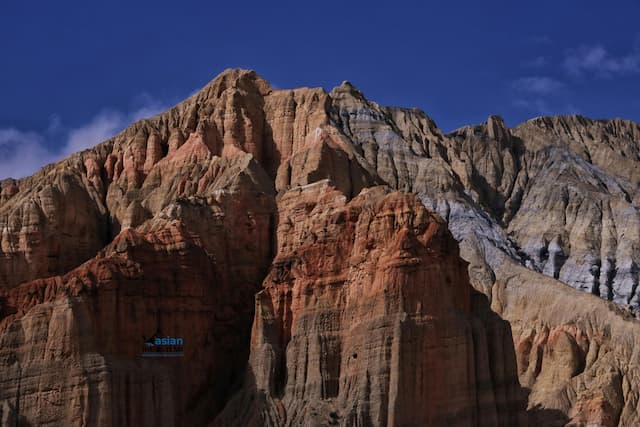
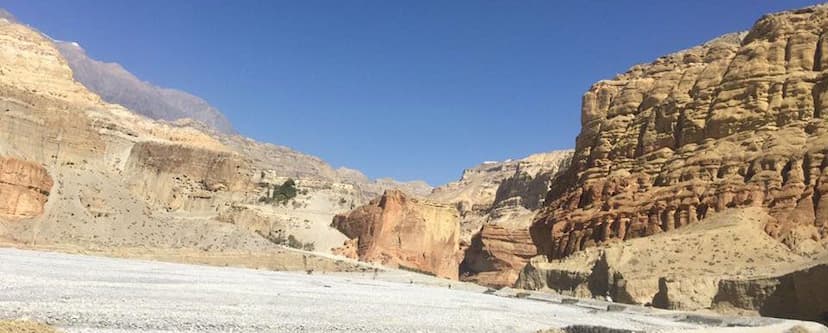
Trek through dramatic eroded cliffs, red and orange rock formations, barren ridges, and snow-capped Himalayan peaks.
Spot elusive wildlife such as the snow leopard, endangered Bharal (blue sheep), and hear legends of the mythical Yeti.
Walk the historic trade path between Nepal and Tibet via Kora La Pass (4,660 m).
Enjoy a cool, semi-arid climate, making it one of the few trekking regions suitable even during the monsoon season.
Comfortable guesthouse and basic hotel options available throughout the route.
Meet friendly locals of Tibetan origin, experience their unique lifestyle and centuries-old traditions.
- Kathmandu to Pokhara by tourist bus both way.
- Pokhara to Kagbeni to Pokhara by sharing bus/Jeep.
- Accommodation during the trekking: Single/Twin-sharing room with wooden beds, foam mattresses, and blankets (bring a sleeping bag for extra warmth/hygiene). Most of the place have shared toilets (usually Asian-style squat or Western toilets). Some of the place has attached toiled. Hot showers available (on extra cost). Higher up, hot water is scarce.
- Breakfast: Porridge/Oatmeal (often with honey, fruits, or nuts), eggs (fried, scrambled, or omelets with veggies), Pancakes or Tibetan Bread (served with jam, honey, or peanut butter), Muesli/Cornflakes (with hot or cold milk), Tea/Coffee (black, milk tea, or ginger lemon honey tea) etc.
- Lunch: Dal Bhat (Nepali staple: lentil soup, rice, vegetable curry, and pickles—unlimited refills!), Noodles/Pasta (fried noodles, garlic pasta, or ramen), Momos (dumplings stuffed with veggies or meat), sandwiches (egg, cheese, or tuna), soup (garlic, mushroom, or veggie—popular for warmth and hydration) etc.
- Dinner: Dal Bhat, Curries (veggie, potato, or chicken with rice or chapati), Thukpa (local noodle soup), Pizza, Pasta, Fried Rice/Noodles, Desserts (apple pie, rice pudding, or Snickers rolls etc.).
- Upper Mustang special Trekking permit.
- Annapurna Conservation permit.
- Local Entry permit / Entrance fees.
- Entrance fees in Monastery/temple during the trekking.
- Trekking Guide: A First Aid and Eco trained & Government licensed holder professional equipped English-speaking guide.
- Support Sherpa: if the group size more than six persons, we provide one extra Sherpa to support the group.
- Porters: One Porter between each 2 members while on trek (Maximum weight for a porter is 25 Kg). If you are single booking the porter cost need to pay extra, please add the cost add on option.
- Accommodation, meals, daily salary, equipment, transportation & Insurance of Asian Hiking Team staffs (guide, Sherpa, porter).
- Trekking Map /Itinerary: Asian Hiking Team provides free a copy of trekking map /trekking Itinerary to our client.
- T-short: Asian Hiking Team provide the company T-short for a souvenir.
- Certificate: Asian Hiking Team provide Trekking/Hiking/Tour/Climbing success certificate for your memory and awardees.
- First Aid: First aid is the immediate assistance given to someone who is injured or ill until professional medical help is available. Its goal is to preserve life, prevent further harm, and promote recovery. Asian Hiking Team staff carry the basic first aid. You need to bring your own personal medicine with you. If you are trekking in high altitude should be bringing Diamox for acclimatization (125 mg tabs recommended; enough for a week or more). You can buy here in Kathmandu any pharmacy.
- Travel & Rescue arrangement service: You should bring insurance, must include emergency air ambulance/helicopter rescue services.
- Asian Hiking Team provide the hotel in Pokhara and during the trekking as itinerary. If you stay an additional day, you need to pay an extra cost.
- Tea/ Coffees/ Hot water, hot showers etc.
- All cold drinks, alcohol drinks, beer, bottle water etc.
- Pack energy bars, nuts, chocolate for quick energy boosts between meals.
- Personal trekking gears & clothing (some of the equipment is possible to rent in Kathmandu): please check in check list for equipment list
- Internet / Wi-Fi/Telephone: There are almost all trekking reason you can buy internet/ Wi-Fi service in the hotel. It is also possible to buy the NCAL or NTC Sim card for telephone or use data.
- Insurance: Medical evacuation in case of emergency, expenses incurred due to mishaps, landslide, strikes, political unrest etc. in such case extra will be charged as per actual.
- Kathmandu: During the sightseeing in Kathmandu or Pokhara the entry fees for Temple or Monastery, Durbar Square are not includes in the cost.
- The tip for guide or porter: It's a way to show appreciation for good service and is often left as a small present or in addition. Tips are a common practice in many cultures and are often expected for services. It is not fix amount, so you can own decide.
- Porter: Asian Hiking Team provide one porter between two members. If you want to hire the additional porter, the cost in not includes.
- Sherpa/ Guide: If you want personal Sherpa/guide, it is not including on the cost.
| Date | Duration | Status | Booked | Action |
|---|---|---|---|---|
Oct 25, 2026 Nov 6, 2026 | 13 days | Open | Book Now | |
Nov 9, 2026 Nov 21, 2026 | 13 days | Open | Book Now | |
Sep 15, 2026 Sep 27, 2026 | 13 days | Open | 2 | Book Now |
Oct 6, 2026 Oct 18, 2026 | 13 days | Open | Book Now | |
Oct 17, 2026 Oct 29, 2026 | 13 days | Open | Book Now | |
Oct 30, 2026 Nov 11, 2026 | 13 days | Open | Book Now | |
Nov 4, 2026 Nov 16, 2026 | 13 days | Open | Book Now | |
Nov 17, 2026 Nov 29, 2026 | 13 days | Open | Book Now | |
Mar 8, 2027 Mar 20, 2027 | 13 days | Open | Book Now | |
Mar 23, 2027 Apr 4, 2027 | 13 days | Open | Book Now | |
Apr 14, 2027 Apr 26, 2027 | 13 days | Open | Book Now | |
May 3, 2027 May 15, 2027 | 13 days | Open | Book Now | |
May 26, 2027 Jun 7, 2027 | 13 days | Open | Book Now | |
Jun 24, 2027 Jul 6, 2027 | 13 days | Open | Book Now | |
Jul 13, 2027 Jul 25, 2027 | 13 days | Open | Book Now | |
Aug 19, 2027 Aug 31, 2027 | 13 days | Open | Book Now | |
Sep 1, 2027 Sep 13, 2027 | 13 days | Open | Book Now | |
Oct 11, 2027 Oct 23, 2027 | 13 days | Open | Book Now | |
Oct 17, 2027 Oct 29, 2027 | 13 days | Open | Book Now | |
Nov 9, 2027 Nov 21, 2027 | 13 days | Open | Book Now |
Tailored add-ons in Nepal trips refer to customizable essentials that enhance and personalize your travel experience, allowing you to align your journey with specific interests, preferences, and schedules. These add-ons can be combined into various types of trips, including trekking, expedition, climbing, cultural tours, wildlife safaris, and adventure activities.
Tailored add-ons include:
Customized Accommodations: Choose from a range of lodging options, from luxury hotels to homestays, to match your comfort and budget preferences. Upgrade your stay to accommodation featuring attached bathrooms during your trek.
Porter/Sherpa Service: Let our skilled porters carry your gear so you can focus on the breathtaking beauty of the Nepal Himalaya. Each porter can transport up to 25 kg and can be shared by two trekkers.
Adventure Activities: Incorporate thrilling experiences such as paragliding in Pokhara, bungee jumping, zip-lining, mountain biking, or white-water rafting.
Spiritual Journeys: Add visits to sacred sites like Lumbini (birthplace of Buddha), Pashupatinath Temple, or...
Asian Hiking Team’s trekking Guides are professionals with recognized records of honesty and personal integrity, committed to environmentally responsible trekking practices that minimize ecological impact.
Asian Hiking Team trekking guide duties are to navigate trails, ensure safety, explain local culture/history, arrange permits/accommodations, monitor altitude sickness, and manage logistics. Our guide is fluency in English (and other languages), first aid certification, cultural knowledge, and government licensing. Require Nepal Government licensing, formal training (e.g., Nepal Academy of Tourism/NATHM), first aid certification, and language proficiency. Our guide is friendly, professional, and well-mannered. Trained in customer service, problem-solving, and group handling.
Asian Hiking Team porter: Porters duties is carrying trekker luggage (max 20–25 kg), transport equipment, and assist with camp setup. Physical endurance, basic trail familiarity, and teamwork. Most speak minimal English. No formal credentials, but reputable agencies ensure health checks, basic safety training, and gear provision etc.
Asian Hiking Team Porter-Guides: Porter guide is carrying light...
Upper Mustang Trekking is moderate plus trekking in Nepal.
Trekking in Nepal is categorized into grades based on altitude, terrain difficulty, remoteness, and daily walking hours. The most widely used grading system includes Easy, Moderate, Strenuous, and Challenging.
Easy (Grade A)
Altitude: Up to 3,000 meters (9,800 ft)
Walking Hours: Max 3–5 hours per day
Terrain: Well-established trails, gentle ascents/descents, minimal steep sections.
Who is it for? Beginners, families, or those with limited time seeking cultural experiences and Himalayan views.
Moderate (Grade B)
Altitude: 3,000–4,500 meters (9,800–14,700 ft)
Walking Hours: Max 7 hours per day
Terrain: Mixed trails with some steep climbs and high passes, moderate altitude gain.
Who is it for? Trekkers with average fitness and some prior hiking experience.
Strenuous (Grade C)
Altitude: 4,500–5,500 meters (14,700–18,000 ft)
Walking Hours: Max. 8 hours per day, often for 2–3 weeks
Terrain: Remote, rugged trails with high passes; risk of altitude sickness increases.
Who is it for? Fit trekkers with prior multi-day trekking...
Accommodation Upper Mustang trekking:
Single/Twin-sharing room with wooden beds, foam mattresses, and blankets (bring a sleeping bag for extra warmth/hygiene). Most of the place have shared toilets (usually Asian-style squat or Western toilets). Some of the place has attached toiled. Hot showers available (on extra cost). Higher up, hot water is scarce. Some of place has star hotel such as Jomsom, Tatopani, Lo-Mangtang etc.
Meals:
During the hotel/guest house trekking, there are international menus so you can choose whatever you like. During the camping, our cook prepares the meals as your interest. Camping treks in Nepal offer a blend of traditional Nepali cuisine and familiar comfort foods, ensuring that trekkers are well-nourished and energized throughout their journey.
Breakfast: Porridge/Oatmeal (often with honey, fruits, or nuts), eggs (fried, scrambled, or omelets with veggies), Pancakes or Tibetan Bread (served with jam, honey, or peanut butter), Muesli/Cornflakes (with hot or cold milk), Tea/Coffee (black, milk...
By Flight (Fastest Option to Pokhara)
Duration: 25–30 minutes
Airlines: Buddha Air, Yeti Airlines, Shree Airlines (multiple daily flights) 6
Departure: Tribhuvan International Airport (KTM), to Pokhara International ariport last flight before 7 PM
Tourist Bus (Most Popular Road Option) 200KM
Duration: 6–10 hours (varies due to road works/traffic)
Departure: daily 7:00 AM from Sorhakhutte Bus Park (near Thamel) and from Pokhara tourist Bus Park (7.30am). It is possible night tourist/local bus to/from Pokhara start at 7PM.
Road condition: Kathmandu to Pokhara, it is Prithvi Highway, fairly smooth but prone to congestion near settlements area.
Local buses/ Micro Buses (not recommend for tourist) 200KM
Duration: 6–10 hours (varies due to road works/traffic)
Departure: Daily start 6:00 AM from New bus park and from Pokhara Prithivi Highway (6am to 3pm). It is possible night bus to/from Pokhara start at 7PM.
Private Jeep/Car 200KM
Duration: 5–7 hours (varies due to road works/traffic)
Departure: Anytime, pick up from your hotel/airport.
Cost: Every season all...
Nepal Climate Overview
- Terai (plains): Hot & humid summers (37°C+), mild winters (7–23°C), heavy monsoon rains.
- Hills (Kathmandu, Pokhara): Mild year-round, summer 19–35°C, winter 2–12°C.
- Mountains: Alpine to Arctic, cold summers, severe winters (below –20°C).
Trekking Seasons
- Autumn (Sep–Nov): Best—clear skies, great views.
- Winter (Dec–Feb): Very cold, high passes closed, good for lower treks.
- Spring (Mar–May): Warm, rhododendrons, hazy later.
- Monsoon (Jun–Aug): Rainy, leeches, only rain-shadow treks.
To trek in Upper Mustang, a restricted area in northern Nepal, foreign nationals must obtain a Restricted Area Permit (RAP) issued by the Department of Immigration in Kathmandu through a registered trekking agency. We need two different permits.
1. Trekking permit
Foreigners/SAARC (including Indian): USD 50 per day per person (as newly changed rules)
Nepali citizens: Free
Minimum trekking duration: 3 days; only issued via a registered agency, with at least two trekkers required In addition, you’ll also need: Annapurna Conservation Area Permit
2. ACAP (Primary Permit) Cost:
Foreigners: NPR 3,000 (Approx. $25 USD) SAARC nationals (India, Bangladesh, etc.): NPR 1,000 Nepali citizens: Free. TIMS Card: No longer required.
Important Information:
Guide Mandatory: Solo trekking is prohibited. All trekkers must hire a licensed guide through a registered agency. Rules: Solo trekking prohibited; requires a registered agency and licensed guide.
Required Documents:
• Validity Passport (for Indian Voter ID or Rasan Card also fine). • Nepali Visa....
Health and safety are paramount.
- Altitude Sickness (AMS): Prevent by ascending slowly, staying hydrated (4-5 liters/day), and acclimatizing properly. Know the symptoms (headache, nausea) and descend if they become severe.
- Food & Water: Drink only boiled, filtered, or bottled water. Eat well-cooked meals.
- Foot Care: Use well-fitted boots and address hotspots immediately to prevent blisters.
- First Aid: Our guides carry first aid kits, but you should bring personal medications.
Telephone service in the Annapurna region is available in towns and villages, but signal strength is unreliable in higher and more remote areas. Most of the place has local telephone. Both Nepal Telecom (NTC) and Ncell are the main mobile providers, with NTC generally offering better coverage in the mountains, though Ncell is faster in lower-lying towns. You can buy a local SIM card in Kathmandu or Pokhara. NTC/NCELL SIM cards work in most areas along the Annapurna trekking route; however, network coverage is unavailable during the Thorongla Pass, Kangla pass, Tilicho pass, and Annapurna base camp section. In case of emergencies, a satellite phone is used for communication.
Internet service is available in the Annapurna region primarily through a lodge-to-lodge Wi-Fi system or via mobile data from a purchased SIM card. Fixed-line broadband is not available on the trekking routes, so it is recommended to buy a local SIM card...
Comprehensive travel insurance is mandatory for this expedition. Your policy must cover:
- Emergency Air Ambulance/Helicopter Rescue
- Medical Expenses
- Trip Cancellation and Interruption
You must provide proof of insurance before the trip begins. For the insurance company details please check our insurance recommended company in travel insurance page.
Of course. Here is the information condensed into short, clear paragraphs: At Asian Hiking Team, we believe in transformative journeys that are also respectful and responsible. Our core values ensure our operations benefit both travelers and the local communities and environments we visit.
We are deeply committed to environmental responsibility. Our practices include limiting group sizes, eliminating single-use plastics, properly disposing of all waste, and minimizing our impact on trails and water sources to preserve Nepal's natural beauty. We guide our travelers to practice cultural respect by honoring local customs. This includes dressing modestly, always asking for permission before taking photos, and supporting the local economy by dining at local establishments and purchasing directly from artisans.
We believe in giving back. A portion of our profits is donated to community projects, and we organize clean-up campaigns and support local cooperatives. Your safety is our priority, provided through fresh meals, 24/7 support, and trained staff...
Trekking Poles : Poles come in handy for balance and easing impact to your knees. Get collapsible poles that can attach to your backpack and fit into your Duffel.
Backpack : You may choose to bring a smaller "day pack" for your airline travel carry on, and this can be used on the trek if you want to carry a smaller (35 liter or so), light trekking pack. You need a pack big enough for your clothes, water, camera, food, etc. during the day. Waterproof rain cover for your trekking pack.
Duffel Bags : Asian Hiking Team provide one duffel bags each member as you want. We normally pack all our equipment in large Duffel bags. Make sure they are well labeled with indelible ink as well as a travel tag. The duffels go on the trek/climb with you and will be carried by porters or yaks. Except for them to get wet and muddy, so rugged, waterproof duffels are good. Bags with wheels are nice for the airport, but the porters and yaks don't like to carry them, so don't bring wheeled bags (or at least not two of them). You will also store some travel clothes at the hotel in Kathmandu while trekking, so a small additional bag with a lock might be handy. Bring 5 large plastic garbage bags to pack gear inside duffels to protect gear from rain.
Hiking Boot : These boots provide more stability and ankle protection against protruding limbs and rocks than hiking shoes do. Mountain walking or hiking boots are designed for mountain and hill walking, backpacking and mountaineering.
Sport sandals : Sandals (such as Teva's) are lightweight and tough, doubles as shower slippers.
Socks : Three/Four sets of warm socks.
Jacket : Lightweight waterproof-breathable construction with a hood -20 Down Jacket.
Pants : Lightweight waterproof-breathable hiking pants with full-length leg zippers. Mountain Hardware Compressor Pants or anyone.
Trousers : Water-resistant hiking pants (for TK), North Face and Patagonia are good brands, avoid jeans, pants with zip-off legs can come in handy.
T-Shorts : 1/2 pair of t-shorts (for TK), walking shorts. Loose and comfortable, preferably nylon, which (for men) double as a swimsuit. (Avoid shorts which are too revealing.) T-shirts (TK/TR).
Over-shirt : 1 long-sleeved over-shirt, light to medium weight and breathable, to protect you from the sun and bug bites. Hemp, linen or cotton is recommended.
Mid-Layers : Fleece or Soft Shell layering pieces that work well with the rest of your clothing. A Soft Shell jacket and an expedition weight long john top will work well.
Base Layers : - 2 synthetic tops and 1 bottom. Zip neck tops are the way to go.
Light Gloves/ Leather gloves : A warm insulated glove with leather palm will be worn a lot of the time. Polypropylene or fleece. Leather palms handle the fixed line better. Or good abrasion resistant climbing glove for the rock sections.
Belt : 1 belt, cotton or nylon lashing strap doubles as a gear strap.
Hat : Wool or fleece stocking hat with ear protection and Sun hat.
Neck Gaiter and/or a Buff : (highly recommended), Baseball hat and Bandana.
Bathing Suit : Towel, Toothpaste and brush, floss, mini hairbrush, razor, soap, mini bottle of shampoo, travel mirror, nail clippers etc.
Headlamp : Bring a good LED headlamp with 2 sets of lithium batteries for cold conditions.
Water Bottles : 2 wide mouth plastic water bottles with insulated covers. A small Thermos bottle is great for cold mornings. Bring a pee bottle too (optional:
Water purification : Iodine tablets (Potable Aqua or similar) or iodine crystals (Polar Pure). One bottle of Potable Aqua (enough to treat 25 liters) should be more than sufficient.
First Aid : Hand sanitizer (Pirelli), moleskin or Compete, athletic tape, aspirin (some climbers take a baby aspirin every day up high) and/or ibuprofen / acetaminophen, Imodium, Band-Aids, antacid, insect repellent, ear plugs, and two rolls of toilet paper in quart Ziploc bags (we will have a supply at Base Camp), small towel, soap/shampoo. Eyewear: Bring good sunglasses with side protection. For contact lens wearers, ski goggles with light colour lenses (for use at night) might be useful in windy conditions. The ski goggles are essential for all climbers in really stormy conditions and can serve as an emergency backup for broken or lost sunglasses. Vision correction: Bring extra prescription eyeglasses or contact lenses if you wear them. Lens solutions are not widely available in Nepal, bring enough for the duration. Prescription Medications: Antibiotic for upper respiratory problems, Antibiotic for GI problems, Diamox for acclimatization (125 mg tabs recommended; enough for a week or more), Tylenol 3 or similar for severe headaches, Asthma medication, if any history. Skin Care: Sun block lotion (at least #30 protection factor -- have at least one smaller tube (1 oz) that can fit in your pocket) and lip salve. Put your lip protection on a string and hang it from your neck. That way you'll use it. It also works great for your nose. Wrist Watch: With alarm and night light. An altimeter watch is useful.
Skin Care : Sun block lotion (at least #30 protection factor -- have at least one smaller tube (1 oz) that can fit in your pocket) and lip salve. Put your lip protection on a string and hang it from your neck. That way you'll use it. It also works great for your nose.
Travel Items : Passport (valid for at least 6 months): It is easy to get your Nepal visa on arrival in Kathmandu at the airport, bring a passport photo. Bring a copy of the information pages and a couple of extra passport photographs. Carry these in a separate location. You'll be glad you did if you ever lose a passport. Camera: with spare batteries, and film or memory cards, but keep it reasonable and weight. Consider a small USB drive to make it easy to share photos with your teammates. Travel Wallet: Some type of secure travel wallet is a must. Remember a pen for travel documents. MP3 Player and Books: As you want to read on the way to trekking. Plan on sharing books on hotel/guest house or MP3 player. Chemical Hand Warmers (not compulsory).

 0
0
 0
0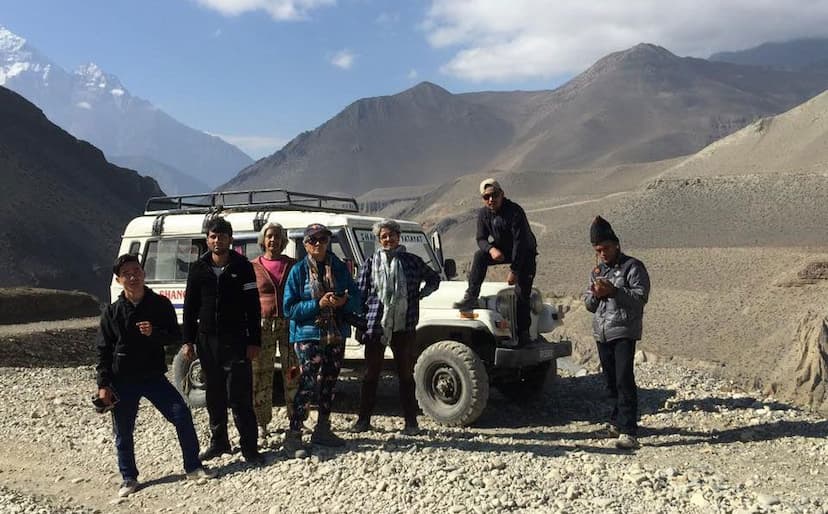
 0
0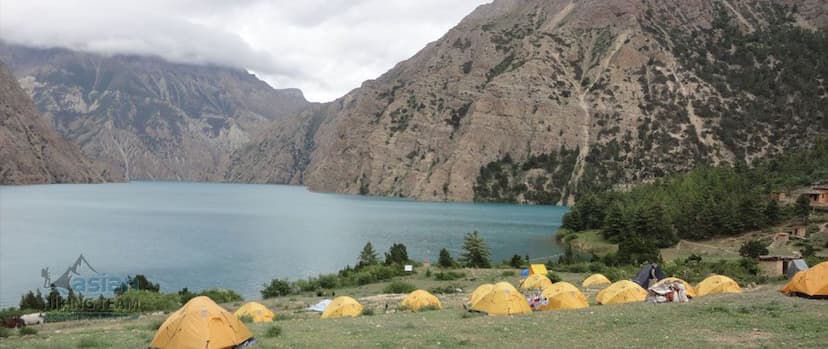 0
0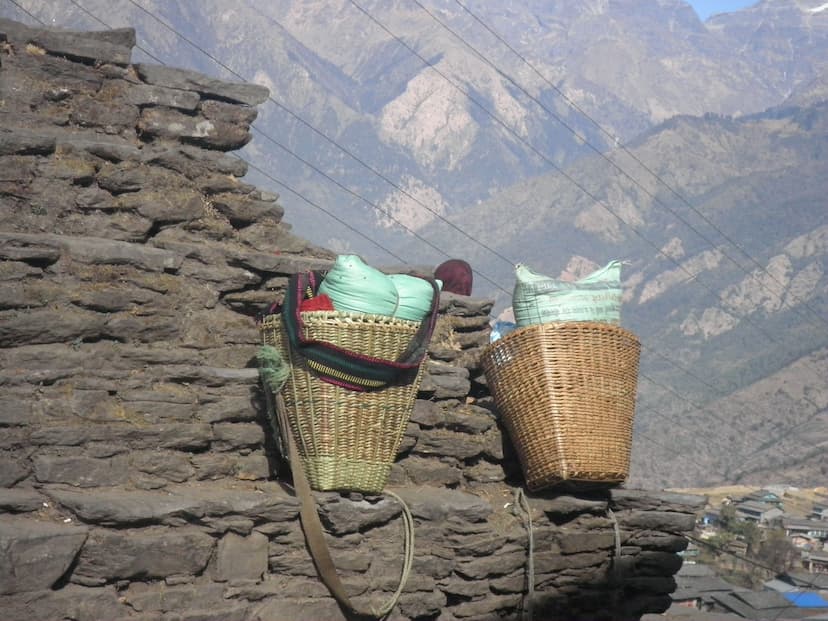 0
0