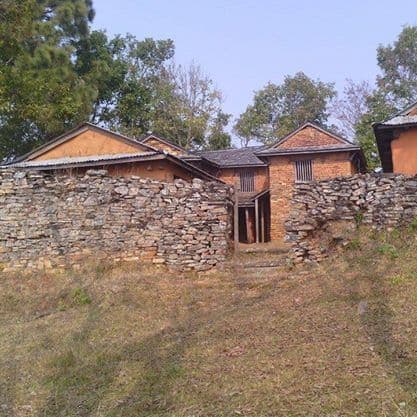
Tanahunsur village home stay tour
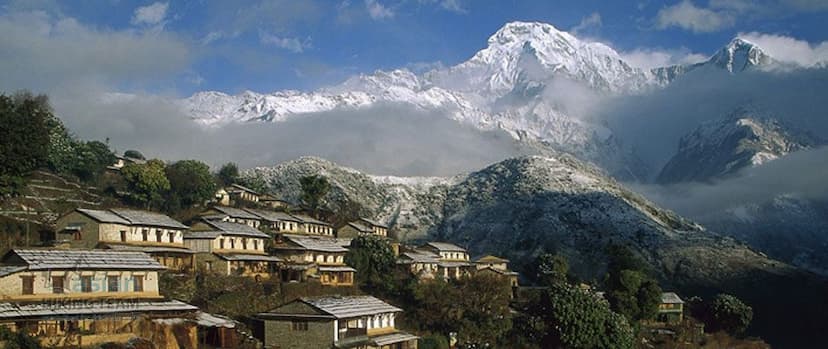
Experience an authentic rural Nepalese village homestay in Tanahunsur, Tanahun District. Explore ancient Sen Dynasty remains, temples, and enjoy spectacular views of the Annapurna and Manaslu ranges. Immerse yourself in local culture, traditions, and enjoy traditional Nepali cuisine.
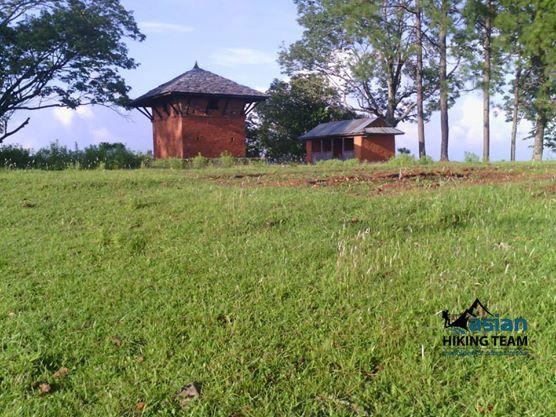
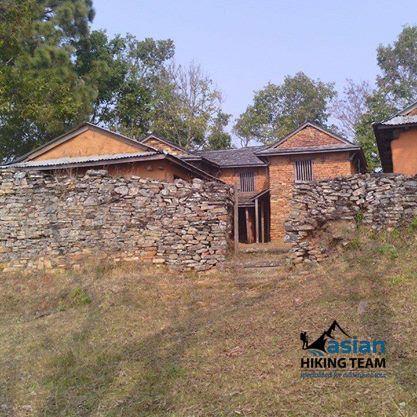
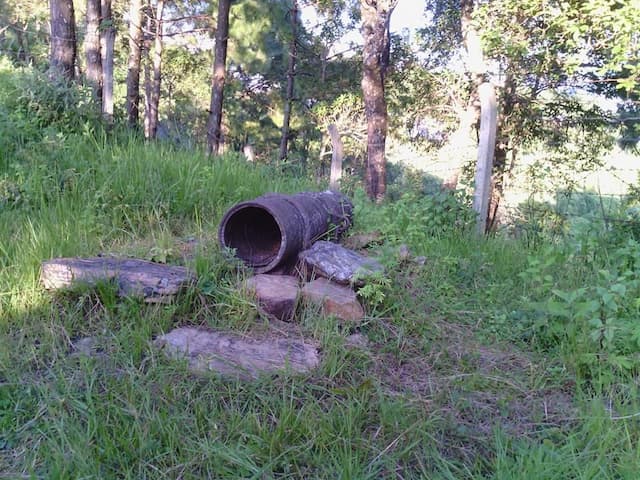
Tanahunsur is a local village in Tanahun District, in the Gandaki Zone of central Nepal. It primarily refers to the hill and the people living there in the central part of Tanahun. You can still observe approximately 200-year-old remains of the Sen Dynasty’s old palace area, temples, and three cannons. The village is believed to be the birthplace of Prithvi Narayan Shah's mother.
There are several places to see around the village, such as the temple of Goddess Khadga Kali — a symbol of the destruction of devils; Gaddi Chautara and Rani Chautara — resting places while walking up and down the villages; Dhikuri Ghar and Gola Ghar; Tundikhel; Hatti Bandhne Dhunga — a stone used to tie elephants; and Raja Ko Padhero.
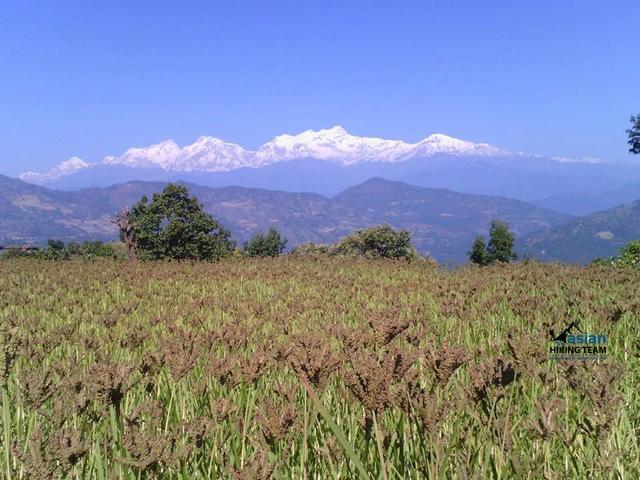
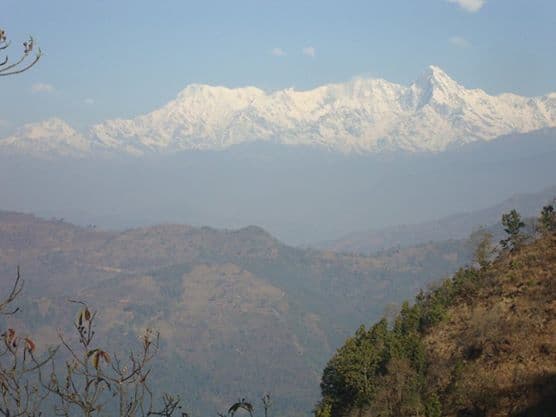
The village offers spectacular and eye-catching views of Mt. Annapurna, Machhapuchhre, Lamjung, Manaslu ranges, Liglig Kot, Raginaskot, Mirlungkot, Tamakot, fertile terraces, and stunning sunrise and sunset views.
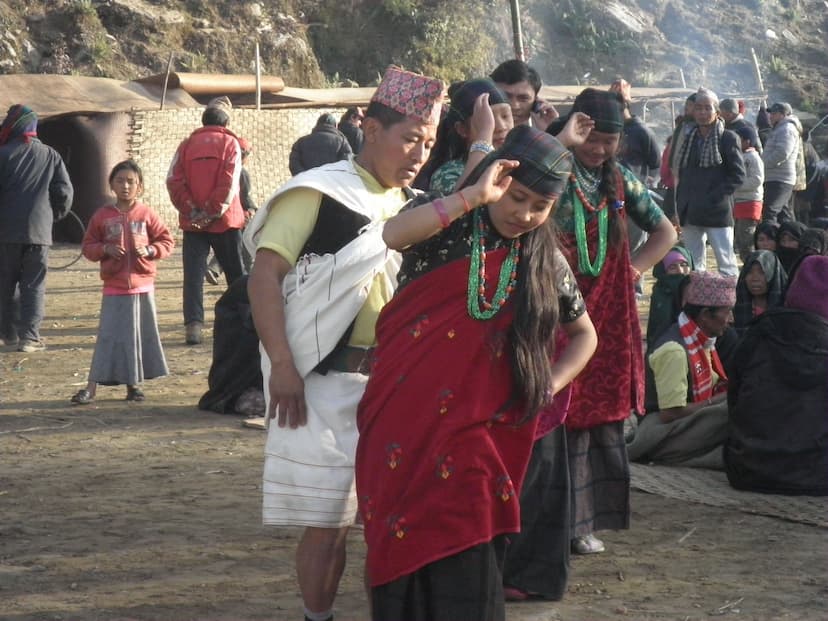
Different ethnic groups
Trip Facts
Group Size
Min 1
Location
Kathmandu- Damauli - Tanausur- Kathmandu
Best Season
whole year
Accommodation
Home stay
Transportation
Sharing Bus/Jeep or on request
Approximately 200-year-old remains of the Sen Dynasty’s old palace area. Three historical cannons from the Sen Dynasty era. A historical water source or bathing place of the king.
A temple dedicated to Goddess Khadga Kali, symbolizing the destruction of devils. Various ancient temples around the village.
A traditional resting place for travelers. Another traditional resting place. A local ground or open space.
A historical structure within the village. A historical structure within the village.
A stone historically used to tie elephants.
Spectacular views of Mt. Annapurna. Spectacular views of Machhapuchhre (Fishtail Mountain). Spectacular views of the Lamjung mountain range. Spectacular views of the Manaslu mountain ranges.
Views of Liglig Kot. Views of Mirlungkot. Views of Tamakot.
Stunning sunrise and sunset views over the landscape.
- Kathmandu to Damauli by tourist bus (both way).
- Damauli to Tanahunsur by bus/Jeep (both way).
- Accommodation: Offers an authentic rural Nepalese village experience; stay in a host family’s home surrounded by organic farmland and forests.
- Meals: Includes meals, cultural exposure (e.g. farming, local routines), and interaction with host families.
- Provides all local entry permits.
- Entrance fees: Temple, Monastery, Durbar Square, Museum etc
- Local Guide: A First Aid and Eco trained local guide.
- Tour Map /Itinerary: Asian Hiking Team provides free a copy of tour map /Tour Itinerary to our client.
- T-short: Asian Hiking Team provide the company T-short for a souvenir.
- Certificate: Asian Hiking Team provide Tour success certificate for your memory and awardees.
- First Aid: First aid is the immediate assistance given to someone who is injured or ill until professional medical help is available. Its goal is to preserve life, prevent further harm, and promote recovery.
- Asian Hiking Team staff carry the basic first aid. You need to bring your own personal medicine with you.
- Accommodation: Asian Hiking Team provide the home stay. If you stay an additional day, you need to pay an extra cost or hotel/lodge.
- Meals: bar bills/drinks, personal dry meals, meals on the way.
- Personal tour gears & clothing (some of the equipment is possible to rent in Kathmandu): please check in check list for equipment list.
- Internet / Wi-Fi/Telephone: There are almost all tour area are internet/ Wi-Fi service. It is also possible to buy the NCAL or NTC Sim card for telephone or use data.
- Medical evacuation in case of emergency, expenses incurred due to mishaps, landslide, strikes, political unrest etc. in such case extra will be charged as per actual.
- The tips for tour guide or hotel: It's a way to show appreciation for good service and is often left as a small present or in addition. Tips are a common practice in many cultures and are often expected for services. It is not fix amount, so you can own decide. If you want to donation to school or Charities.
- Donation to the local community or social welfare (not compulsory and not fix amount).
Tailored add-ons in Nepal trips refer to customizable essentials that enhance and personalize your travel experience.
Options include:
- Customized Accommodations: Upgrade from standard lodging to luxury hotels or homestays.
- Helicopter/MT Flights: Opt for helicopter transport to your own destination, helicopter flight/ Mountain flight (as for cost, it depends on).
- Adventure Activities: Add paragliding, bungee jumping, or rafting.
- Cultural & Spiritual Journeys: Include visits to Lumbini, Muktinath, tours or local festivals.
- Wildlife Safaris: Extend your trip with a safari in Chitwan or Bardia.
- Flexible Scheduling: Adjust dates and durations to fit your needs.
Accommodation:
Offers an authentic rural Nepalese village experience; stay in a host family’s home surrounded by organic farmland and forests. There are private rooms, the toilet is outside. The rooms are net and clean.
Meals:
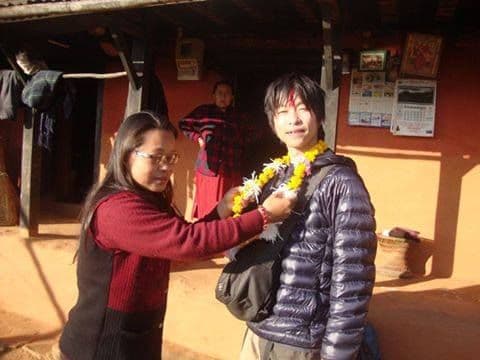
Includes meals, cultural exposure (e.g. farming, local routines), and interaction with host families. You will eat with local family, as similar items whatever they eat daily life.
Nepal’s rugged terrain and remote mountain regions require a combination of transportation modes to ensure safe, efficient, and scenic travel. Asian Hiking Team offers a range of transportation options to suit your needs and itinerary, including air-conditioned and non-air-conditioned vehicles, tourist luxury buses, cars, vans, and jeeps. We also arrange domestic flight tickets for major trekking routes to help you save time and enjoy spectacular aerial views of Nepal's diverse landscapes.
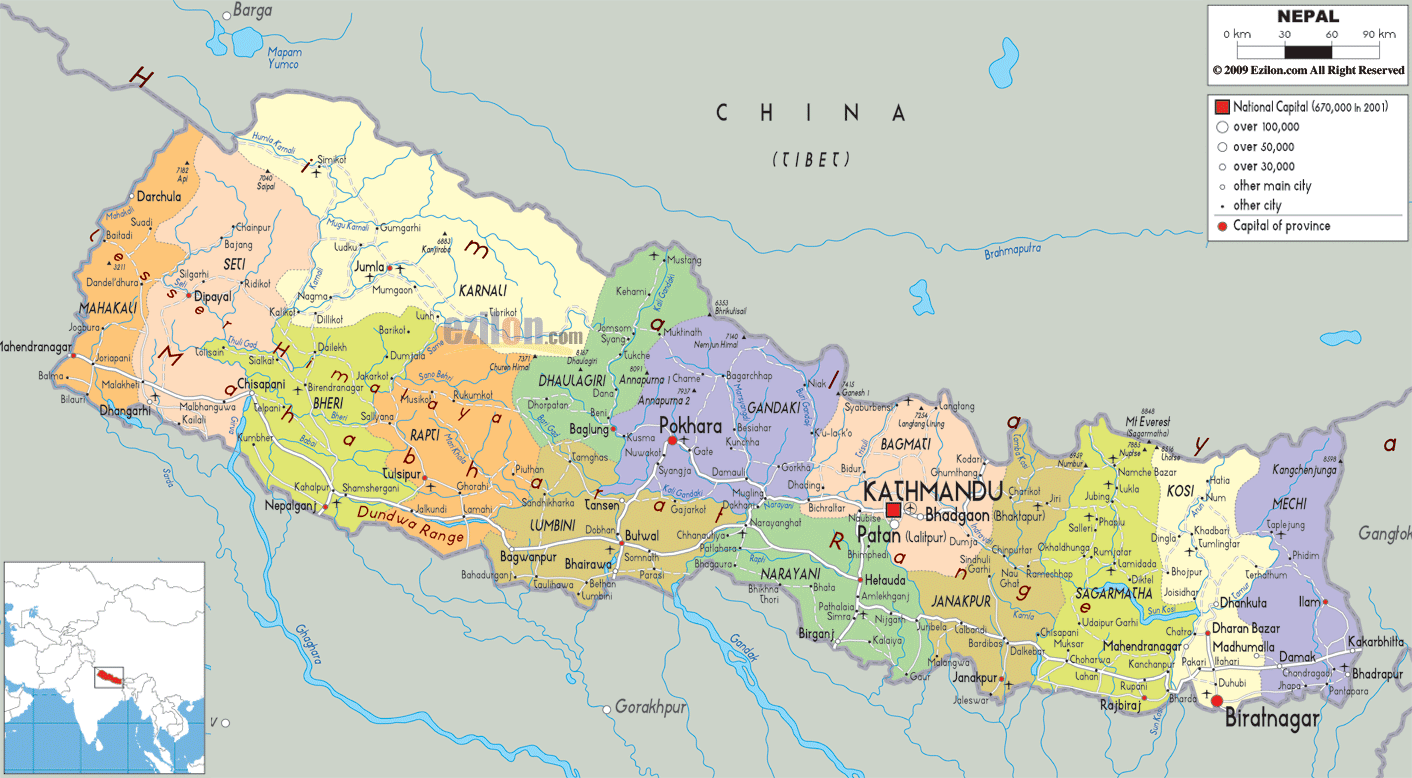
Kathmandu to Damauli 159KM by tourist bus
The tourist sofa A/C bus avaiable from Kathmandu to Damauli every day start at 7 am. It takes 4-5 hours. It is also possible by Locam bus or Micro bus everyday from Kathmandu or from Pokhara.
Damauli to Tanahunsur village
There are local bus or Jeep avaiable from Damauli to Tanahunsur village until 1-2pm. It takes 2-3 hours drives.
General Climate Overview
Nepal's climate is incredibly diverse due to its dramatic range in altitude, from the lowland Terai plains (around 60 meters above sea level) to the Himalayan peaks above 8,000 meters.
The country experiences five main seasons: spring, summer, monsoon, autumn, and winter. Kathmandu Monsoons (June–September): Heavy showers, high humidity weekly thunderstorms common in July, with ~324 mm rainfall in July and ~238 mm in August.
Best times: Spring (March–May) and autumn (mid‑Sept to Nov)—clear skies, mild temps (daytime ~25–30 °C, nighttime ~10–15 °C) Winter (Dec–Feb): Cool & dry, lows can approach 0 °C but rarely snow in the valley.
Asian Hiking Team’s local Guides are professionals with recognized records of honesty and personal integrity, committed to environmentally responsible trekking practices that minimize ecological impact.
They have several years of experience in the field, especially in cultural, religion, heritage, and adventure tours. Skilled in storytelling, sharing legends, myths, and spiritual meanings behind temples, mountains, and rituals. Skilled in storytelling, sharing legends, myths, and spiritual meanings behind temples, culture and rituals.
Credit cards like American Express, Master and Visa are accepted at major hotels, shops, Travel Company and restaurants. 3.5 to 4 percent of the total amount may be converted by the bank. ATMs are widely in use such as Kathmandu, Pokhara, Chitwan-Sauraha, Bhairahawa, Namche, Lukla, Jomsom, Nepaljung, Biratnagar, Lumbini and other major cities and district head office.
All major cities or touristic place have money changer or Exchanger counter or Bank exchange counter.
We are committed to responsible tourism. Our policies include:
- Environmental: Minimizing waste, using gas for cooking, and leaving no trace.
- Cultural: Respecting local customs, asking permission for photos, and supporting local economies.
- Community: Donating a portion of profits to community projects and ensuring fair treatment and wages for all staff and porters.
For More details, please check the Responsible tourism page.
Day pack or backpack : A bag suitable for carrying daily essentials during walks and excursions.
Comfortable walking shoes : Footwear designed for comfortable walking on varied terrain.
Light jacket or sweater : A light jacket or sweater for cooler temperatures.
Some pair of T-shirts and Shirts : Multiple pairs of T-shirts and shirts for daily wear.
Bathing clothes : Clothing suitable for bathing.
Sun hat or cap : Protection from the sun for your head.
Lightweight scarf or shawl : A lightweight scarf or shawl, especially useful for temple visits to show respect.
Sunglasses with UV protection : Sunglasses with UV protection to shield your eyes from the sun.
Neutral-colored clothing : Clothing in neutral colors (avoiding red/bright) is recommended, especially if planning a jungle safari trip.
Comfortable sandals : Comfortable sandals for relaxing or short walks.
Sunscreen and lip balm : Sunscreen to protect your skin and lip balm for your lips.
Water bottle : A refillable water bottle to stay hydrated and reduce plastic waste.
Travel umbrella or raincoat : A travel umbrella or raincoat is essential if traveling during the monsoon season.
Power bank and adapters : A power bank to charge your devices and adapters for Nepal's 230V, Type C/D/M plugs.
Travel documents : Essential travel documents including passport, permits, insurance, and Visa/Master card.
Personal medications and first aid kit : Any personal medications you require and a basic first aid kit for minor ailments.
Camera or phone with charger : Your camera or phone for capturing memories, along with its charger.
Small notebook and pen : A small notebook and pen for notes or journaling.
Hand sanitizer and face mask : Hand sanitizer for hygiene and a face mask for personal protection.
Torchlight or headlamp : A torchlight or headlamp is advisable if traveling outside of Kathmandu and Pokhara, especially for evenings.