Kailas Cora Tour 14 days
The Kailash Kora is a transformative 10-14 day pilgrimage from Kathmandu, combining spiritual rituals, high-altitude trekking, and cultural immersion.
The Kailash Kora is a transformative 10-14 day pilgrimage from Kathmandu, combining spiritual rituals, high-altitude trekking, and cultural immersion.
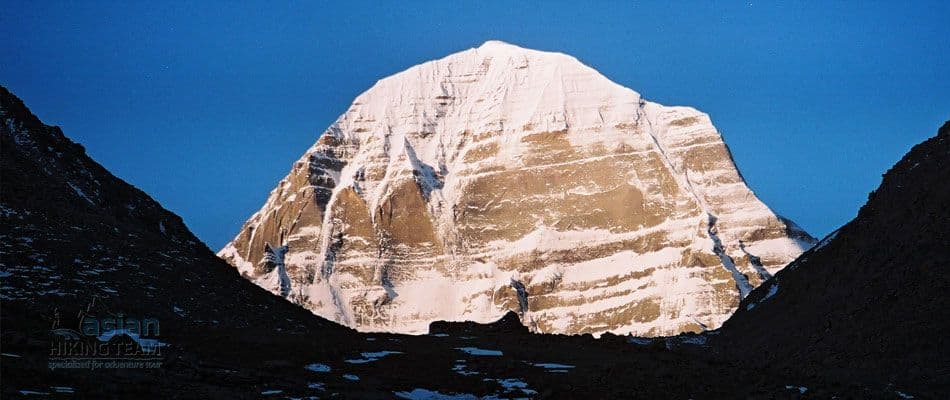
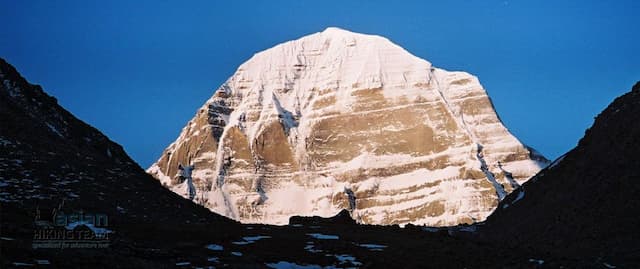
Mount Kailash is located close to Manasarovar and Rakshastal lakes. The sources of four rivers: Indus, Sutlej, Brahmaputra, and Karnali lie in the vicinity of the region. Mount Kailash is sacred in Hinduism, Buddhism, Jainism and Bon religion. People from India, China, Nepal and other countries in the region undertake a pilgrimage to the mountain. The pilgrimage generally involves trekking towards Lake Manasarovar and a circumambulation of Mount Kailash.
The Kailash Kora transcends physical travel, it’s a spiritual metamorphosis. Pilgrims confront high passes symbolizing life’s struggles, bathe in Mansarovar’s purifying waters, and complete a circuit revered by four religions. Crossing Dolma La Pass felt like shedding lifetimes of burdens. Kailash isn’t just a mountain, it’s a mirror to the soul.
Asian Hiking Team organizes the 14-day Kailash Kora Tour (Kathmandu to Kathmandu in 10
Trip Facts
Group Size
minimum 05
Location
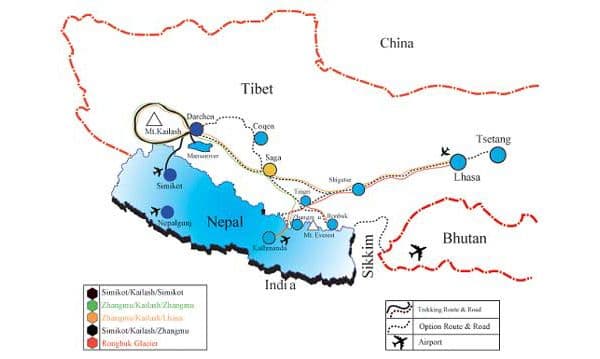
Kathmandu- Kailash- Cora- Kathmandu
Best Season
spring and monsoon is the best from March to October
Accommodation
Hotel
Transportation
Private vehicle
Mt. Kailash is a spiritual center for Hinduism, Buddhism, Jainism, and Bon, revered as the abode of deities like Shiva and Demchok, and associated with liberation and enlightenment.
Rising to 6,714 meters, the sharply pointed, pyramid-like peak is perpetually snow-covered and features the Buddhist Swastika symbol, visible from the southern face.
Linked to the legendary contest between Milarepa and Naro Bonchung, the mountain is said to have come under Buddhist influence after Milarepa's victory, yet still retains Bon and Hindu significance.
Pilgrims trek around Mt. Kailash in sacred kora (circuits), with one round believed to cleanse a lifetime of sins. Special merit is earned in the horse year, when each round counts as thirteen.
Located at the heart of the Tibetan plateau, Mt. Kailash gives rise to the Karnali, Indus, Sutlej, and Brahmaputra rivers, which nourish much of the Indian subcontinent.
Just 20 km from Kailash, Lake Manasarovar sits at 4,588 meters, its crystal-clear waters believed to be Amrita, or divine nectar, capable of washing away sins and impure thoughts.
The route around Lake Manasarovar is dotted with ancient temples, including Jiwu and Chugu, offering pilgrims a blend of natural beauty and sacred experience.
Clear glimpses of Mt. Kailash are rare and believed to be a divine blessing, as clouds often shroud the peak, enhancing its mystical aura and spiritual allure.
- 3 star Hotel in Kathmandu with breakfast.
- 3 star hotel during the Kailash Kora except 3 nights.
- All Breakfast during trip.
- All land transportation by Tourist Coach, Kathmandu to Kathmandu as itinerary.
- Pickup and drop international airport.
- Sightseeing in Kathmandu, a one full day.
- Sightseeing Tour as per programs.
- Kailas permit / Tibet permit/ Entry Permit to Tibet.
- Tibet Visa fees.
- English Specking Tibetan Guide.
- Monastery / Temple entrance fees during the tour.
Insurance, equipment and daily wages for Tour Guide.
- Emergency-use large oxygen cylinder on the bus.
All Official taxes and service charge.
- International flight ticket.
- Nepal's re-entry visa fees & international departure tax.
- Lunch and Dinner during the trip.
- Additional accommodation in Kathmandu or in Tibet if any.
- Single-room supplement.
- Travel/Accident/Medical /emergency evacuation Insurance.
- Personal natural expensive.
- Personal tour equipment.
- Personal oxygen bottles.
- Horse and porter service for personal use
- Additional transportation beyond itinerary
| Date | Duration | Status | Booked | Action |
|---|---|---|---|---|
Sep 25, 2026 Oct 8, 2026 | 14 days | Closed | Closed | |
Oct 3, 2026 Oct 16, 2026 | 14 days | Closed | Closed |
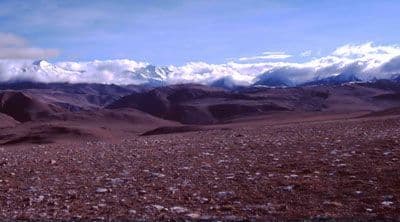
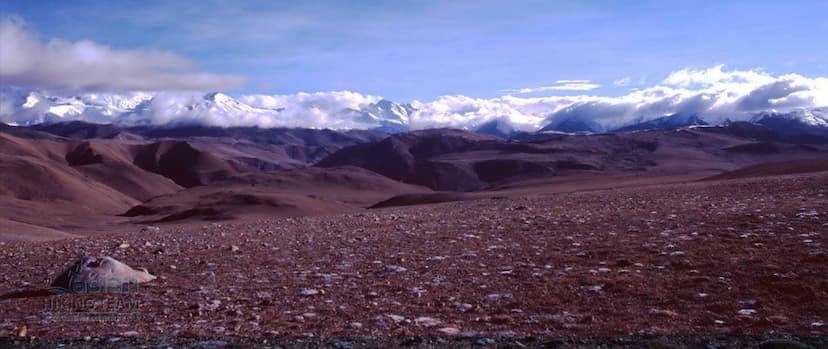
Tibetan Plateau ("Roof of the World"): The world’s highest and largest plateau, averaging over 4,500 m (14,800 ft) above sea level and stretching across ~2.5 million km². Lies north of the Himalayas, south of the Kunlun Mountains, and bounded by the Karakoram and Pamirs to the west. Most of it is within the Tibet Autonomous Region of China, extending into Qinghai, Sichuan, Xinjiang, and into parts of India, Nepal, Bhutan, Pakistan and beyond.
Predominantly cold and dry: most of the region has less than 46 cm of annual snowfall. The Indian monsoon influences southeast Tibet, bringing summer rains; northern areas experience sharp daily temperature swings and intense winter chill.
Ecosystems & Wildlife: High-altitude grasslands, wetlands, and evergreen forests in valleys. Wildlife includes yaks, Tibetan antelopes, snow leopards, musk deer, black-necked cranes, red pandas, and diverse bird species.
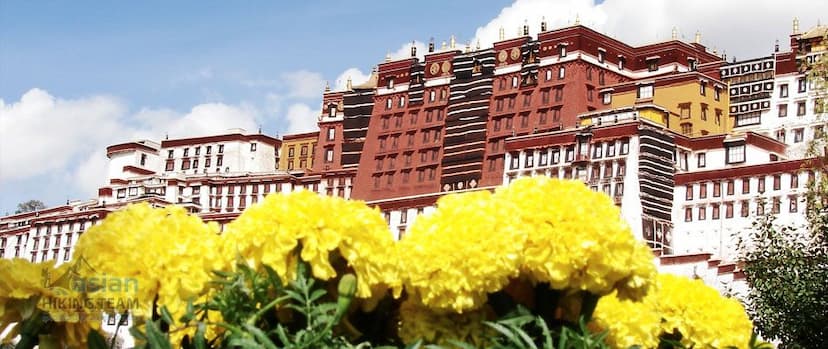
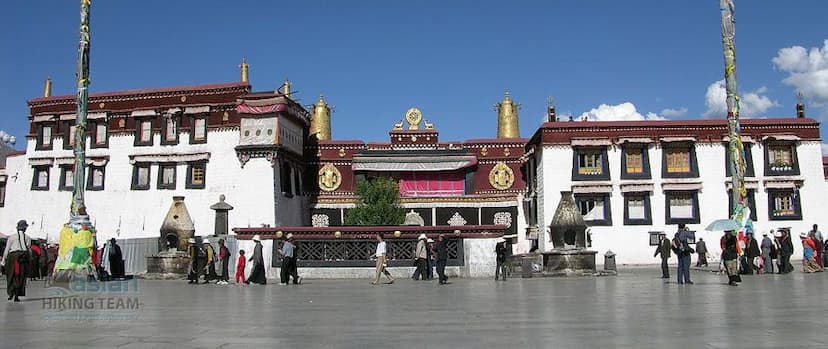
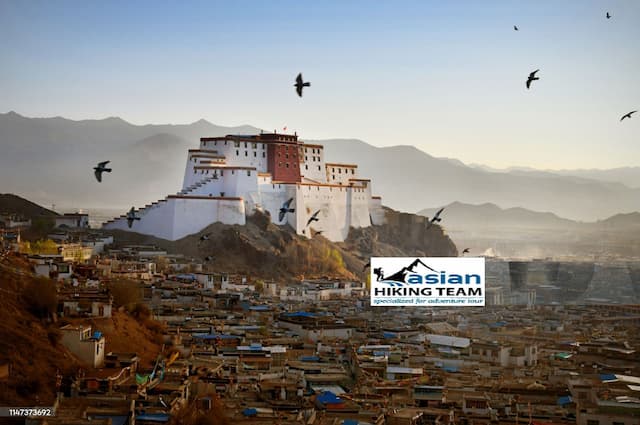
Inhabitants: Predominantly ethnic Tibetans, speaking Tibetan and practicing Tibetan Buddhism (Gelug, Kagyu, Nyingma, Sakya schools). A minority follow Bon, Islam, and Christianity. Religious centers: Lhasa sits at the heart of Tibetan culture, housing the iconic Potala Palace (former Dalai Lama residence), Jokhang Temple, and major monasteries like Sera, Drepung, and Ganden. Sacred peaks: Mount Everest (Qomolangma; 8,848 m), Mount Kailash (6,638 m) a pilgrimage hub for Hindus, Buddhists, Jains, and Bon. Kailash is considered the cosmic center of the universe.
Ancient heritage: Inhabited since the Neolithic Karuo culture (~3300–2000 BC), developing distinct language, agriculture, and spiritual traditions. Political history: Traditionally ruled by Tibetan theocracies; in 1950 China incorporated Tibet, leading to the Dalai Lama’s 1959 exile. Today, Tibet is within the PRC as an Autonomous Region amid cultural and political tensions. Cultural pressures: Recent policies have sparked concern over Tibetan language and cultural preservation, especially regarding education in state boarding schools.
Tibet follows China Standard Time (CST). UTC +8 hours. Tibet has no time difference from Beijing, Shanghai, or Chengdu. Kathmandu -2 hr 15 min behind, Delhi -2 hr 30 min behind, London -7 hours behind, New York -12 hours behind.
Chinese Tourist Visa:
If you’re entering Tibet from Kathmandu, DO NOT apply for a Chinese visa in your home country.
- Get a Group Visa (single-entry) from the Chinese Embassy in Kathmandu
- Processed in 3–5 working days
- Requires your original passport
- Issued as a paper document, not a sticker on your passport
Tibet Travel Permit (TTP):
- This is mandatory for all foreign travelers to enter Tibet.
- Issued By: Tibet Tourism Bureau (TTB) in Lhasa
Note: Can only be applied by a registered travel agency on your behalf.
Required Documents:
- Copy of your passport
- Copy of your Chinese visa
- Your confirmed Tibet tour itinerary
- Booking with a Tibet-licensed travel agency (you must travel in an organized tour)
- Processing Time:
- Around 8–10 business days
Additional Permits (if visiting remote regions):
- Alien’s Travel Permit (ATP) - Shigatse, Mount Everest, Sakya, etc.
- Military Permit - Mount Kailash, Nyingchi, border areas.
- Foreign Affairs Permit - Sensitive...
Currency: Chinese Yuan (CNY)
Symbol: ¥
Common denominations: Banknotes: ¥1, ¥5, ¥10, ¥20, ¥50, ¥100 and Coins: ¥1, 1 jiao (0.1), 5 jiao (0.5) Cash: In many parts of Tibet, especially remote areas (e.g., Everest Base Camp, Kailash), cash is essential, as ATMs and card machines are limited.
ATMs Availability: Available in major cities like Lhasa and Shigatse. Most reliable ATMs: Bank of China, ICBC, and Agricultural Bank of China. Not all machines accept international cards — Visa and MasterCard work best. Currency Exchange: You can exchange USD, EUR, GBP, or NPR at: Banks of China boarder or in Lhasa and some hotels, Major airports (Chengdu, Beijing).
Digital Payments: WeChat Pay and Alipay are widely used in China, but you need a Chinese bank account or special setup. Foreigners can now link Visa/Mastercard to WeChat/Alipay in major cities, but acceptance is limited in Tibet.
Note: Carry Small Notes, smaller denominations (¥1–¥10) are handy for...
1.Losar – Tibetan New Year
When: February or March (1st day of Tibetan lunar calendar) Duration: 3 to 15 days
2. Monlam – Great Prayer Festival
When: 4th–11th day of the 1st Tibetan lunar month (after Losar) Where: Lhasa, especially at Jokhang Temple and Sera/Drepung Monasteries
3. Shoton Festival – Yogurt Festival
When: August (5th day of the 7th lunar month) Where: Lhasa – mainly Drepung and Sera Monasteries, and Norbulingka Palace
4. Nagqu Horse Racing Festival
When: Early August Where: Nagqu Prefecture, northern Tibet
5. Saga Dawa Festival
When: May or June (15th day of 4th lunar month) Where: Mount Kailash and Lhasa
6. Ganden Ngamchoe Festival
When: December (25th day of the 10th lunar month) Where: Ganden Monastery and all major monasteries Government of Tibet
Tibet is officially governed as an Autonomous Region within the People’s Republic of China (PRC), but its governance is highly centralized under Chinese control.
Tibet is officially governed as an Autonomous Region within the People’s Republic of China (PRC), but its governance is highly centralized under Chinese control.
Tourist Transportation (Private Vehicle):
4WD Jeep / SUV – Ideal for remote areas like Mount Kailash, Everest Base Camp Minivan – For small groups (2–6 people), suitable for city sightseeing Tourist Bus / Mini-bus – For larger groups (10+ people), especially around Lhasa Luxury coach – For high-end tours in good road conditions Flights to/from Tibet: Lhasa Gonggar Airport (LXA) – Main entry point to Tibet Shigatse Airport – For Everest Base Camp Nyingchi Airport – For eastern Tibet
Tibet Train (Qinghai–Tibet Railway):
Routes: Beijing to Lhasa (40 hrs) Chengdu / Xining / Xi’an / Shanghai → Lhasa / Popular scenic route: Xining to Lhasa (22 hrs, highest point: 5,072 m at Tanggula Pass) Local Transportation (in Lhasa and cities): Taxis: Available in Lhasa, Pedicels / Rickshaws: Occasionally seen for short distances Local buses: Limited use for tourists due to the language barrier and routes.
In order to facilitate the processing of your Tibet Visa, kindly ensure you have the following documents ready:
1, Passport Copy: Please submit a clear copy of your passport at least 25 days in advance to initiate the Tibet Travel Permit processing.
2, Original Passport: Ensure you have your original passport with you when your group arrives in Kathmandu.
3, Passport Size Photo: Provide a passport size photo with a white background, front face, without eyeglasses, and no smiling expression.
4, Visa Application Form: Complete the visa application form prior to your arrival.
- As per the new rules and regulations from the Chinese embassy in Nepal, to obtain a Tibet group visa, it is required that there must be a minimum of 05 people in the group. Additionally, the visa application process in Kathmandu requires the submission of the original passport and may take 03-04 official working days to complete.
- Please also note that visa requirements and regulations can change frequently.
- It is also important to note that Tibet visa requirements and regulations can be change frequently, we suggest you make sure with the Chinese Embassy
Base Layers : Moisture-wicking shirts (long & short sleeve) Thermal underwear (top & bottom)
Fleece or down jacket : (essential for cold mornings/nights)
Light insulated vest : (optional)
Waterproof & windproof jacket : (Gore-Tex recommended)
Waterproof pants :
T-shirts : (quick-dry)
Trekking pants :
Warm hoodie or sweatshirt :
Comfortable travel pants : for cities
Warm hat / woolen cap :
Sun hat or cap : (for strong UV)
Buff / neck gaiter / scarf :
Gloves : (light & warm pairs)
Hiking boots : (broken-in, ankle support, waterproof)
Camp shoes / sneakers : (for cities or monastery visits)
Warm socks : (wool/synthetic)
Sandals or slippers : (hotel use)
Sleeping bag : (rated to at least -10°C or lower- (for treks or remote stays))
Sleeping bag liner : (optional)
Earplugs & eye mask : (for shared rooms or tents)
Sunglasses : (UV-protection, high-altitude grade)
Sunscreen : (SPF 50+)
Lip balm with SPF :
Quick-dry towel :
Trekking poles : (collapsible if trekking)
Daypack : (25–35L) with rain cover
Backpack/duffel bag : (60–80L, if trekking)
Headlamp with extra batteries :
Camera or smartphone + power bank :
Altitude medicine : (e.g., Diamox, consult your doctor)
Personal medication : (painkillers, antibiotics, etc.)
First aid kit : (band-aids, blister pads, antiseptic, etc.)
Water purification tablets or filter :
Power bank : (10,000 mAh+)
Charging cables and adapters : (China uses Type A, C, or I plugs)
Camera gear + memory cards :
Travel adapter : (multi-plug if needed)
Journal & pen :
Guidebook or phrasebook :
Passport, Visa/Master card/Insurance/Passport photos : (for permits/emergency)
Gifts or offerings : (if visiting remote monasteries)
Small towel or napkins :
Lightweight book/e-reader :
 0
0

 0
0
 0
0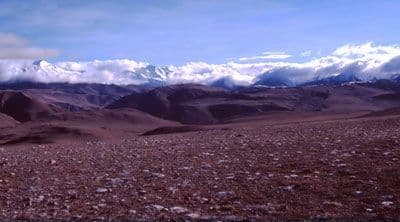 0
0