Diwali Festival Nepal
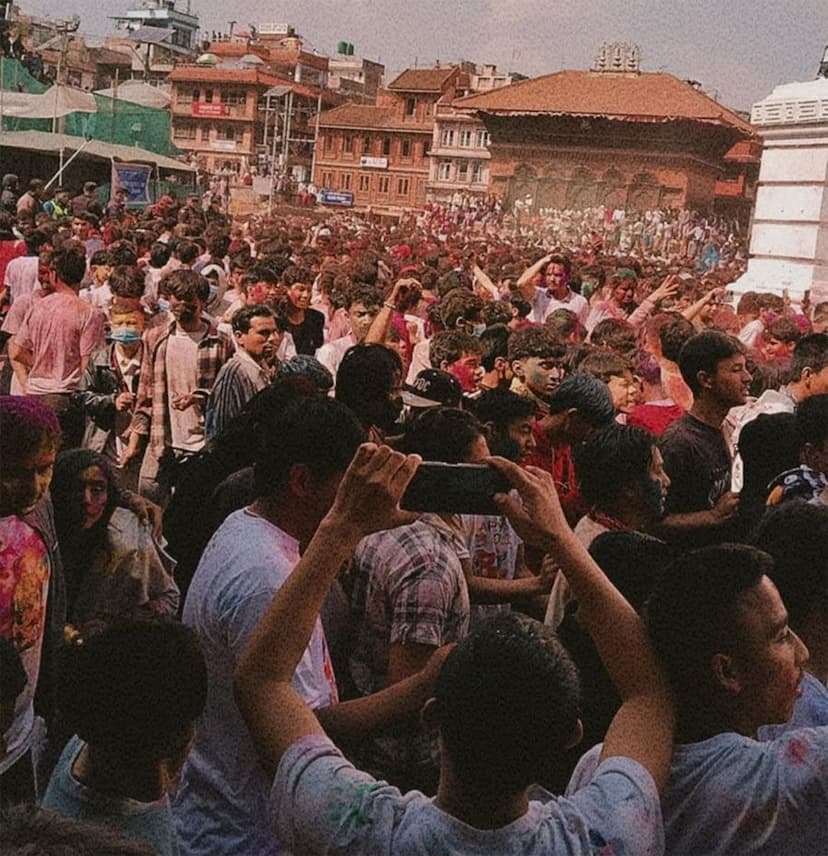
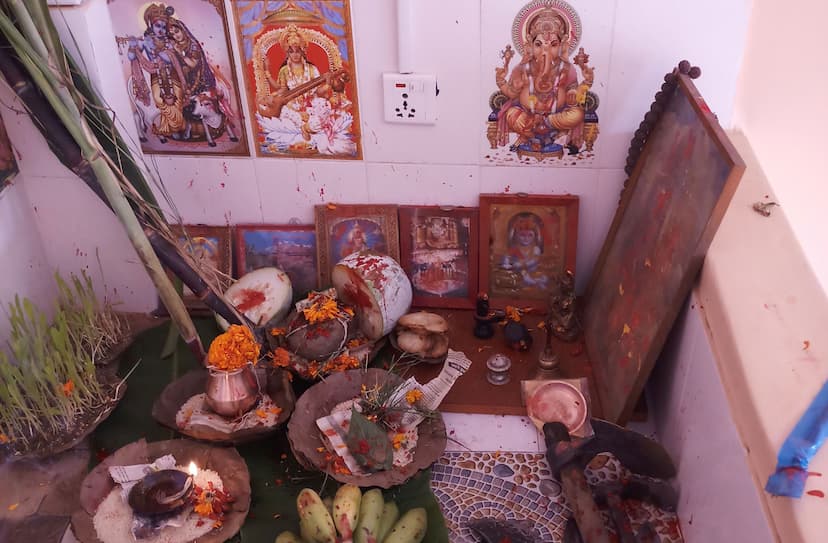
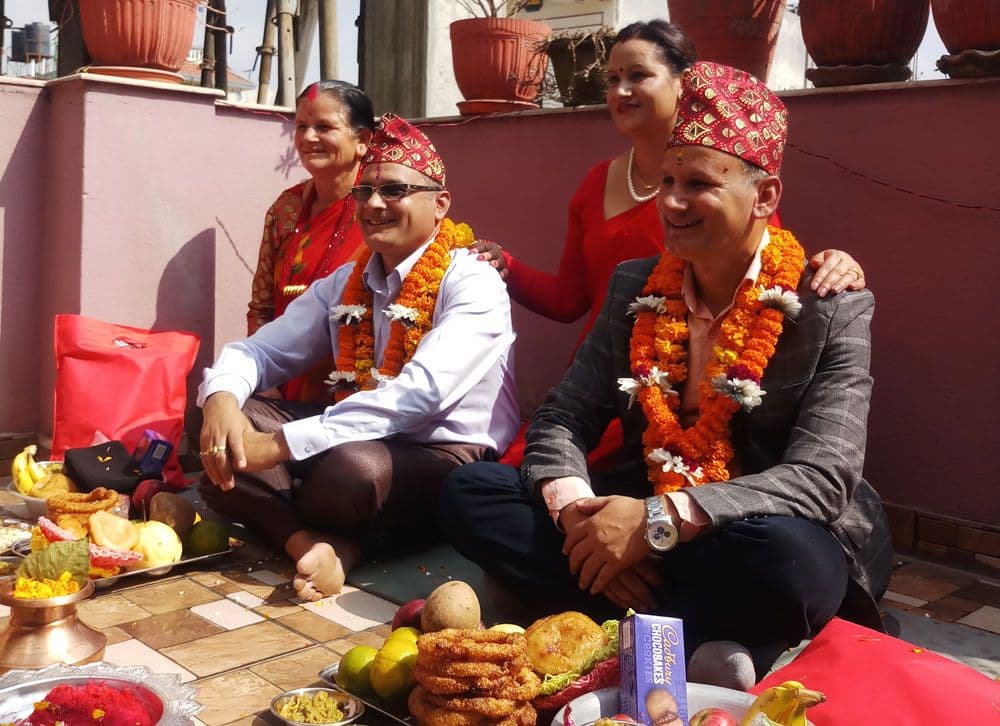
Nepali festival Tihar is also known by many names, such as Dipawali, Bhai Tika, Laxmi Puja, or the Festival of Lights. It is a five-day festival that comes soon after the Dashain Festival. Tihar is all about the worship of different animals such as crows, dogs, cows, and oxen, as well as the worship of the Hindu Goddess of wealth and prosperity (Goddess Laxmi).
Nepali festival Tihar is also known by many names, such as Dipawali, Bhai Tika, Laxmi Puja, or the Festival of Lights. It is a five-day festival that comes soon after the Dashain Festival. Tihar is all about the worship of different animals such as crows, dogs, cows, and oxen, as well as the worship of the Hindu Goddess of wealth and prosperity (Goddess Laxmi). The festival also involves cooking great meals at home, brothers and sisters shopping for gifts, flying kites, decorating homes and streets, playing cards with friends, resting and relaxing, and finally ending the celebration with the exchange of a special temporary mark on the forehead (tika in Nepali). The last day of the festival is known as Tika Day, or more commonly as Bhai Tika Day (Bhai in Nepali means brother).
There are special five days celebrations:
First day called Kaag Tihar – Worshiping Crows
Crows and ravens
Trip Facts
Group Size
Min 1
Location
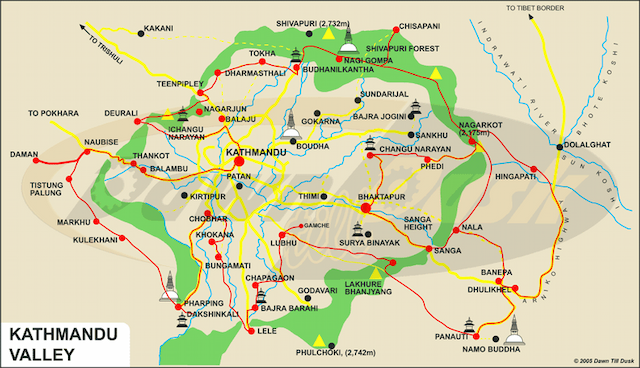
Kathmandu and north from Kathmandu
Maximum Elevation
1360m
Grade
Easy
Accommodation
Hotel/ Home stay
Transportation
By Land (Bus/Jeep/Car)
Homes, temples, streets, and businesses are decorated with oil lamps (Diyo), candles, and colorful lights to welcome prosperity and good fortune.
Each day of Tihar honors different animals that hold special significance in Hindu culture: Kag Tihar – Worship of crows. Kukur Tihar – Worship of dogs. Gai Tihar – Worship of cows. Goru Tihar – Worship of oxen.
The third day is dedicated to Goddess Laxmi, the Goddess of Wealth and Prosperity. Families clean and decorate their homes and light lamps to invite her blessings.
Groups of girls sing Bhailo, while boys perform Deusi, visiting homes with songs, dances, and traditional music. Households offer money, food, and gifts in return.
The Newar community celebrates Mha Puja, a unique ritual that honors and purifies the self, promoting health, prosperity, and spiritual well-being.
The fifth and final day, Bhai Tika, celebrates the bond between brothers and sisters. Sisters apply a seven-colored tika to their brothers' foreheads and pray for their long life, while brothers offer gifts and blessings in return.
Families prepare festive dishes and traditional treats such as Sel Roti, sweets, fruits, and special homemade meals.
Relatives and friends gather to celebrate, exchange gifts, and strengthen family relationships. The entire country comes alive with lights, music, prayers, and celebrations, creating a joyful and festive atmosphere.
Land Transport / Domestic Air ticket:
- Pick up and drop to airport.
- Sightseeing by private transport as itinerary.
- Kathmandu to Baseri by Jeep and Baseri to Kathmandu by bus/Jeep transport.
Accommodation and Meals:
- Hotel in Kathmandu with breakfast.
- Home stay with three times meals in Baseri village home stay and all celebration etc.
Permits and Entry fees:
- Entry fees in Temple and durbar Squire in Kathmandu, Patan and Bhaktapur as itinerary.
Staffs: Tour Guide:
- Tour Guide: A First Aid and Eco trained & Government licensed holder professional equipped English-speaking Tour guide.
Souvenir / document:
- Tour Map /Itinerary: Asian Hiking Team provides free a copy of tour map /Tour Itinerary to our client.
- T-short: Asian Hiking Team provide the company T-short for a souvenir.
- Certificate: Asian Hiking Team provide Tour success certificate for your memory and awardees.
Additional features:
- First Aid: First aid is the immediate assistance given to someone who is injured or ill until professional medical help is available. Its goal is to preserve life, prevent further harm, and promote recovery. Asian Hiking Team staff carry the basic first aid. You need to bring your own personal medicine with you.
Additional Accommodation and Meals:
- Accommodation: If you stay an additional day, you need to pay an extra cost.
- Meals: Lunch and Dinner in Kathmandu, on the way to Baseri.
Personal Natural Expensive:
- Personal tour gears & clothing (some of the equipment is possible to rent in Kathmandu): please check in check list for equipment list
- Internet / Wi-Fi/Telephone: There are almost all tour area are internet/ Wi-Fi service. It is also possible to buy the NCAL or NTC Sim card for telephone or use data.
- Insurance: Medical evacuation in case of emergency, expenses incurred due to mishaps, landslide, strikes, political unrest etc. in such case extra will be charged as per actual.
- Hot, cold drinks and snacks: Pack energy bars, nuts, chocolate, or local chyura (beaten rice) for quick energy boosts between meals.
Tips/donation:
- The tips for Tour guide or hotel/home stay: It's a way to show appreciation for good service and is often left as a small present or in addition. Tips are a common practice in many cultures and are often expected for services. It is not fix amount, so you can own decide. If you want to donation to school or Charities.
Additional language:
- If you are looking your own language tour guide, yes it is possible but you need to pay extra so add on option cost.
Tailored add-ons in Nepal trips refer to customizable essentials that enhance and personalize your travel experience, allowing you to align your journey with specific interests, preferences, and schedules. These add-ons can be combined into various types of trips, including trekking, expedition, climbing, cultural tours, wildlife safaris, and adventure activities.
Customized Accommodations: Choose from a range of lodging options, from luxury hotels to homestays, to match your comfort and budget preferences. Upgrade your stay accommodation featuring attached bathrooms during your trek. Enjoy additional comfort at select stops (start extra cost US$30/night during the tour). Helicopter: Flight in mountain areas depends on weather so you can choose by Helicopter, the cost depends on number of members etc.
Adventure Activities: Incorporate thrilling experiences such as paragliding in Pokhara, bungee jumping over the Bhote Koshi River, zip-lining, mountain biking, or white-water rafting, trekking in Manaslu or Annapurna, peak climbing, expedition.
Spiritual Journeys: Add visits to sacred...
We provide 3 - 4 star hotel in Kathmandu with breakfast and during the Baseri village stay in local home stay with local family. The meals and accommodation provide ly local peole.
Kathmandu
Kathmandu city tours typically use private vehicles such as cars, vans, or jeeps depending on group size, ensuring comfort and flexibility. For solo travelers or couples, air-conditioned cars are common, while larger groups use spacious tourist vans or minibuses. The driver and licensed city guide accompany you throughout, allowing easy access to major heritage sites like Swayambhunath, Boudhanath, Pashupatinath, and Kathmandu Durbar Square. Roads can be narrow and busy, especially in old town areas, but experienced drivers navigate efficiently. Some short walking is involved around temples and markets. Transportation is included in most guided day tour packages, with hotel pick-up and drop-off. This tour is by private transport and private guide so that we pick up from your hotel all the tour and drop to hotel.
Kathmandu to Baseri village (on the way to Manaslu trek):
It is possible by sharing by Local bus directly goes to village. It is approx....
Tour entry fees in major city
Kathmandu Durbar Square Foreigners: NPR 1,000
SAARC Nationals: NPR 150
Patan Durbar Square
Foreigners: NPR 1,000 SAARC Nationals: NPR 250
Bhaktapur Durbar Square
Foreigners: NPR 1,800 Chinese Tourists: NPR 500 SAARC Nationals: NPR 500
Boudhanath Stupa
Foreigners: NPR 400 SAARC Nationals: NPR 100
Swayambhunath Stupa (Monkey Temple)
Foreigners: NPR 200 SAARC Nationals: NPR 50
Pashupatinath Temple
Foreigners NPR 1,000 Free for Indian nationals and Nepali citizens.
Asian Hiking Team’s tour Guides are professionals with recognized records of honesty and personal integrity, committed to environmentally responsible trekking practices that minimize ecological impact. Asian Hiking team tour guide has licensed by the Government of Nepal through the Nepal Academy of Tourism and Hotel Management (NATHM) and Nepal Mountain Academic. They have several years of experience in the field, especially in cultural, religion, heritage, and adventure tours. Skilled in storytelling, sharing legends, myths, and spiritual meanings behind temples, mountains, and rituals. Experts in UNESCO sites (e.g., Kathmandu, Bhaktapur), fluent in history, architecture, and local customs. All certified guides speak fluent English and additional languages as your request. Friendly, professional, and well-mannered. Our guide is friendly, professional, and well-mannered. Trained in customer service, problem-solving, and group handling. Skilled in storytelling, sharing legends, myths, and spiritual meanings behind temples, mountains, and rituals.
We provide to all tour guide:
Insurance: Mandatory coverage for...
Nepal has four main seasons, but the best times for trekking and climbing are autumn and spring.
- Autumn (Sep-Nov): Best season. Clear skies, stable weather, and excellent mountain views. Warm days and cold nights.
- Spring (Mar-May): Second best season. Warmer weather, blooming rhododendrons. Can be hazy at lower elevations.
- Winter (Dec-Feb): Cold and snowy. High passes are often closed. Suitable for lower-altitude treks.
- Monsoon (Jun-Aug): Rainy and challenging. Best for treks in rain-shadow areas like Upper Mustang.
Phone:
Landline and mobile phone services are available in Nepal. The network covers Kathmandu, major cities and towns and most of Nepal, except some rural Himalayan places. The Nepal Telecommunications Corporation is the national service supplier. There are also private service suppliers such as Hotels and private communication centers also provide long distance telephone, internet and fax facilities. You can get SIM card either NTC or N Cell with data to use the internet. The price for SIM card US$ 1, and you need to recharge as you require. You can buy a SIM card inside the airport or anywhere in Kathmandu or major cities. You need to bring a passport copy with Nepali visa and one passport size picture or online take on photo by SIM card provider. To call from outside, the country code for Nepal is “977” and the area code for Kathmandu is “1”. To call Nepal...
Comprehensive travel insurance is mandatory for this expedition. Your policy must cover:
- Emergency Air Ambulance/Helicopter Rescue
- Medical Expenses
- Trip Cancellation and Interruption You must provide proof of insurance before the trip begins.
We are committed to responsible tourism. Our policies include:
- Environmental: Minimizing waste, using gas for cooking, and leaving no trace.
- Cultural: Respecting local customs, asking permission for photos, and supporting local economies.
- Community: Donating a portion of profits to community projects and ensuring fair treatment and wages for all staff and porters.
Daypack or backpack : A small backpack for daily essentials during sightseeing. Sunglasses with UV protection : Essential for sunny days. Neutral-colored clothing (avoid red/bright) : If you are planning to do jungle safari trip. Comfortable sandals : For relaxing at the hotel or walking short distances. Sunscreen and lip balm : To protect your skin from the sun. Water bottle (refillable) : To stay hydrated and reduce plastic waste. Travel umbrella or raincoat (if travel in monsoon) : If traveling during the monsoon season (June-August). Power bank and adapters (Nepal uses 230V, Type C/D/M plugs) : Nepal uses 230V, Type C/D/M plugs. Travel documents: passeport, permit, insurance, visa/master car etc. : Passport, permit, insurance, visa/master card etc. Personal medications and first aid kit : For any personal health needs. Camera or phone with charger : To capture memories. Small notebook and pen : For notes or journaling. Hand sanitizer and face mask : For hygiene.
Comfortable walking shoes : Shoes suitable for walking around the city and light excursions.
Light jacket or sweater : For cooler evenings or early mornings.
Some pair of T-shirts and Shirts : For daily wear. : For daily wear.
Bathing clothes : If you plan to swim in the lakes
Sun hat or cap : To protect from the sun.
Lightweight scarf or shawl : For respectful visits to temples and religious sites.
Sunglasses with UV protection : Essential for sunny days.
Neutral-colored clothing : If you are planning to do jungle safari trip.
Comfortable sandals : For relaxing at the hotel or walking short distances.
Sunscreen and lip balm : To protect your skin from the sun.
Water bottle (refillable) : To stay hydrated and reduce plastic waste.
Travel umbrella or raincoat (if travel in monsoon) : If traveling during the monsoon season (June-August).
Power bank and adapters (Nepal uses 230V, Type C/D/M plugs) : Nepal uses 230V, Type C/D/M plugs.
Tavel documents : Passeport, permit, insurance, visa/master car etc. : Passport, permit, insurance, visa/master card etc.
Personal medications and first aid kit : For any personal health needs.
Camera or phone with charger : To capture memories.
Small notebook and pen : For notes or journaling.
Hand sanitizer and face mask : For hygiene.